Blog

Baulkham Hills Air Conditioning: What Locals Need to Know Before Buying

Baulkham Hills Air Conditioning: What Locals Need to Know Before Buying

This guide covers the practical questions homeowners and landlords should answer before signing a quote.

What kind of air conditioning suits Baulkham Hills homes best?

Most households choose either a split system for targeted rooms or ducted air conditioning for whole home comfort. Split systems tend to suit apartments, townhouses, and homes that only need cooling in a few areas.

Ducted systems are common in larger family homes in the Baulkham Hills area where multiple bedrooms and open living zones need consistent temperature control. When considering baulkham hills air conditioning, these systems cost more upfront, but they can feel simpler day to day when zoning is set up well.

How do they choose the right size system without overpaying?

They should size for the room volume, insulation, window exposure, ceiling height, and how the space is used, not just floor area. An oversized unit can cycle on and off, feel clammy, and waste energy.

A unit that is too small will run constantly and still struggle on the hottest days. The most reliable approach is a proper heat load assessment from the installer, especially for open plan living spaces.

What features matter most for comfort in Western Sydney heat?

They should prioritise inverter technology, strong airflow, and a high energy star rating for cooling. Inverter systems ramp up and down smoothly, which helps with comfort and running costs.

For bedrooms, quiet operation and a good “sleep” mode matter more than extra features. For living areas, a responsive thermostat and a wide louvre swing can make the room feel evenly cooled.

Baulkham Hills Air Conditioning: What Locals Need to Know Before Buying

Should they pick split systems or ducted if they plan to renovate?

If they are renovating or building, ducted becomes easier to design neatly, especially with ceiling access and planned vent locations. Retrofitting ducted into an existing home can still work, but it may require bulkheads or compromises around duct runs.

If renovations are staged, multiple splits can be a flexible stepping stone. They can cool key zones now and expand later without committing to a full ducted layout upfront.

How important is zoning for ducted air conditioning?

Zoning is one of the biggest levers for comfort and running costs. It lets them cool only the areas being used, rather than paying to condition empty rooms.

They should confirm how many zones are included in the quote, how they are controlled, and whether the design matches the household routine. A “one zone” ducted setup often defeats the point of going ducted in the first place.

Where should outdoor units be placed in Baulkham Hills properties?

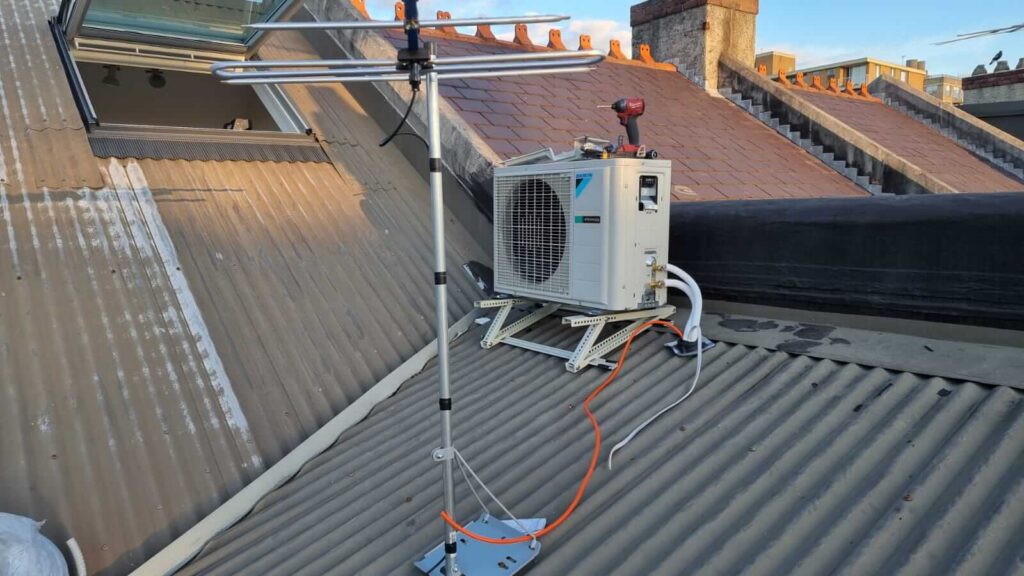
They should be placed where airflow is clear, noise won’t bother neighbours, and service access is practical. Poor placement can increase noise complaints, reduce efficiency, and make repairs harder.

They should also consider sun exposure and debris. A shaded, well ventilated location usually helps performance, but it still needs clearance and easy access for cleaning and servicing.

What running costs should they expect, and how can they keep bills down?

Running costs depend on insulation, set temperatures, zone use, and how often doors are opened. The biggest savings usually come from sensible set points, sealing drafts, and avoiding cooling unused rooms.

They can also improve efficiency by cleaning filters, keeping outdoor coils clear, and using ceiling fans to reduce the load. In many homes, small habits do more than chasing the “most efficient” brochure claim.

What should they ask an installer before accepting a quote?

They should ask how the system is sized, what model numbers are included, and what warranty support looks like locally. Quotes should clearly list inclusions like electrical work, condensate drainage, wall brackets, pipe runs, and commissioning.

They should also ask about noise expectations, zoning design, and where equipment will sit. If a quote is vague, the surprises usually arrive after the install begins.

What common mistakes do locals make when buying air conditioning?

They often choose based on price alone, accept rough sizing, or ignore airflow and placement. Another common issue is underestimating how much sun through west facing glass can overwhelm a system.

They also sometimes skip checking switchboard capacity or assume existing wiring will suit. A good installer flags these early so the job doesn’t stall or blow out.

When is the best time for them to buy in Baulkham Hills?

They usually get more choice and faster installation outside peak summer. Booking before the first heatwaves can reduce delays and make it easier to compare quotes calmly.

They can still buy in peak season, but they should expect longer lead times. If cooling is urgent, they may need to accept fewer model options or a temporary solution.

What is the simplest way to make a confident choice?

They should shortlist the rooms that matter most, get proper sizing, and compare like for like quotes. The “best” system is the one that cools their real problem areas, fits the property, and can be serviced easily.

If they keep the focus on sizing, zoning, and installer quality, they are far more likely to end up with reliable comfort through the hottest Baulkham Hills days.

FAQs (Frequently Asked Questions)

What type of air conditioning system is best suited for homes in Baulkham Hills?

Most Baulkham Hills households prefer either split systems for targeted room cooling or ducted air conditioning for whole-home comfort. Split systems work well in apartments, townhouses, and homes needing cooling in select areas, while ducted systems are ideal for larger family homes requiring consistent temperature control across multiple bedrooms and open living zones.

How can I choose the right size air conditioning system without overpaying?

Choosing the correct size involves assessing room volume, insulation quality, window exposure, ceiling height, and how the space is used—not just floor area. Oversized units can waste energy and cause discomfort, while undersized units struggle during heat spikes. A professional heat load assessment by a qualified installer ensures accurate sizing, especially for open plan living areas.

What features should I prioritize for comfort during Western Sydney’s hot summers?

Prioritize inverter technology for smooth ramping and energy efficiency, strong airflow, and a high energy star rating. Bedrooms benefit from quiet operation and effective ‘sleep’ modes, while living areas gain from responsive thermostats and wide louvre swings to ensure even cooling throughout the space.

Baulkham Hills Air Conditioning: What Locals Need to Know Before Buying

Is it better to install split systems or ducted air conditioning if I’m planning a renovation?

For renovations or new builds, ducted systems are often easier to design neatly with planned ceiling access and vent locations. Retrofitting ducted systems may require compromises like bulkheads. Alternatively, installing multiple split systems offers flexibility to cool key zones immediately and expand cooling later without committing to full ducted installation upfront.

How important is zoning in ducted air conditioning systems?

Zoning is crucial for maximizing comfort and minimizing running costs by allowing you to cool only occupied areas rather than the entire home. Confirm the number of zones included in your quote, their control methods, and ensure the zoning design aligns with your household routine. Single-zone ducted setups often negate the benefits of going ducted.

Where should outdoor air conditioning units be placed on Baulkham Hills properties?

Outdoor units should be positioned where airflow is unobstructed, noise won’t disturb neighbors, and service access is convenient. Ideally, place them in shaded, well-ventilated spots protected from debris and direct sun exposure to enhance performance and ease maintenance.

More about Air Conditioning Service Hills District: How Often Is Enough?

concrete form plywood

How to Choose the Right Concrete Form Plywood for Your Project

Below is a practical way to choose the right sheet without paying for performance they will not use.

What is concrete form plywood, and why does it matter?

Concrete form plywood is a high-strength, moisture-resistant plywood designed to hold wet concrete while it cures. It matters because the sheet quality affects slab and wall finish, formwork safety, and how many times they can reuse panels without delamination, swelling, or excessive face damage.

A poor choice often shows up as blowouts, uneven surfaces, and higher replacement costs.

What finish do they need from the concrete?

They should choose the plywood face to match the finish specification on the pour. A smooth phenolic film face generally produces a cleaner, more uniform surface than standard exterior plywood, with fewer timber marks and less patching.

If the surface will be hidden, they can often prioritise durability over appearance. For architectural concrete, they should prioritise a high-quality film face and consistent panel condition.

How many reuses are they aiming for?

They should decide the target reuse count before selecting the sheet grade. Film-faced form plywood typically delivers more reuses than basic exterior or shuttering plywood, especially when handled correctly and released properly.

If they only need a few pours, a lower-cost option may be fine. If the same panels will cycle through many pours, higher-grade form ply usually costs less overall because it lasts longer and produces fewer defective finishes.”

Which plywood grade and standard should they look for?

They should look for panels clearly sold as formwork or shuttering plywood, with a specification that suits structural wet-use. In the UK, buyers often check for consistent manufacture and suitability for external exposure, alongside any declared performance certifications from the supplier.

They should avoid ungraded “general construction plywood” for repeated forming, as it often lacks the face durability and edge protection needed for wet concrete cycles.

What thickness should they choose?

They should match thickness to span, framing, and pour pressure rather than guessing. Common formwork thicknesses include 18 mm and 21 mm, with thicker panels generally resisting deflection better and holding a flatter face over repeated use.

If they underspecify thickness, the form can bow and print through to the concrete surface. If they overspecify, they may add cost and handling weight without a real benefit.

How important is the face film and resin quality?

They should treat face film quality as critical for clean release and reuse. A phenolic film face helps resist abrasion, moisture ingress, and cement paste sticking, which reduces cleaning time and face damage.

Better resin systems and tougher films typically mean slower wear at tie holes, corners, and high-pressure zones. If the face scratches easily or absorbs water quickly, reuse count and finish quality drop fast.

concrete form plywood

Do the edges need sealing, and how should they check it?

They should prefer panels with factory-sealed edges because edge absorption is a common failure point. Water entering the edge can cause swelling and ply separation, which then telegraphs into the face and reduces strength.

When inspecting sheets, they should look for continuous edge paint or sealant, no open gaps, and minimal void exposure. If edges are unsealed, they should seal them before first use.

How do they choose plywood for slabs versus walls and columns?

They should choose based on pressure and bracing demands. Walls and columns usually exert higher lateral pressure than slabs, so they often need stiffer panels, closer stud spacing, and stronger face durability, especially for repeated pours.

For slabs, flatness and deflection control matter most. For vertical work, impact resistance, tie-hole durability, and edge integrity tend to matter more because panels take more handling abuse.

What site conditions should change their choice?

They should upgrade the panel if the site is wet, cold, or involves aggressive cleaning practices. High moisture exposure, frequent rain, and poor storage accelerate edge swelling and face breakdown, so more durable film-faced panels with sealed edges pay off.

If they expect long cure times, high cement content mixes, or repeated pressure washing, they should select a tougher face and plan for careful release agent use.

How should they balance cost against performance?

They should compare cost per pour, not cost per sheet. A cheaper panel that fails after a few uses can cost more once labour, delays, surface repairs, and replacements are included.

A simple check is: expected reuses multiplied by acceptable finish quality. If they need consistent results over many cycles, mid to high-grade form ply often wins, even if the upfront price is higher.

What practical checks should they do before buying?

They should inspect sheets for flatness, face consistency, and damage before committing to a batch. Useful checks include straightness along the length, uniform film surface, clean edges, and minimal patches or repairs on the face.

They should also confirm the supplier’s stated thickness tolerance, panel weight consistency, and whether the product is intended for formwork reuse. If the supplier cannot answer reuse or exposure questions clearly, they should shop elsewhere.

What handling steps help the plywood last longer?

They should store panels flat, off the ground, and covered, and they should avoid leaving them wet between uses. Proper release agent use, careful stripping, and prompt cleaning protect the film and reduce face tearing.

They should also repair damaged edges, avoid dragging sheets, and rotate panels so wear is distributed. Most form ply “fails early” because of handling, not because the original sheet was wrong. Check out more about storage and handling of sheet materials.

concrete form plywood

How can they make the final decision quickly?

They should pick the sheet that matches the finish requirement and the reuse target, then size thickness to the framing and pour pressure. For most repeated forming, film-faced, sealed-edge form ply in a suitable thickness is the safe default.

If they want a simple rule: choose durability for wet sites and many cycles, and choose basic shuttering ply only when they truly need a small number of pours and can accept more surface variation.

More to Read : What Is Formwork Plywood and How Is It Used in Construction?

FAQs (Frequently Asked Questions)

What is concrete form plywood and why is it important for construction projects?

Concrete form plywood is a high-strength, moisture-resistant plywood specifically designed to hold wet concrete while it cures. Its quality directly affects the slab and wall finish, the safety of the formwork, and the number of times panels can be reused without issues like delamination or swelling. Choosing the right plywood prevents problems such as blowouts, uneven surfaces, and excessive replacement costs.

How do I choose the right plywood finish for my concrete project?

Select the plywood face based on the finish required from the concrete pour. For a smooth, uniform surface with fewer timber marks, opt for a smooth phenolic film face. If the concrete surface will be hidden, prioritise durability over appearance. For architectural or exposed concrete, choose high-quality film-faced plywood with consistent panel condition to ensure a superior finish.

How many times can concrete form plywood be reused effectively?

The target reuse count should guide your choice of sheet grade. Film-faced form plywood typically allows more reuses than basic exterior or shuttering plywood when handled correctly and released properly. If only a few pours are needed, lower-cost options suffice; however, for multiple cycles, higher-grade form ply offers better value by lasting longer and reducing defective finishes.

What thickness of concrete form plywood should I select?

Choose thickness based on span, framing support, and pour pressure rather than guesswork. Common thicknesses include 18 mm and 21 mm; thicker panels resist deflection better and maintain a flatter face over repeated use. Underspecifying thickness can cause bowing and surface imperfections in concrete; overspecifying adds unnecessary cost and weight without benefit.

Why is sealing the edges of formwork plywood important?

Edges are vulnerable to water absorption which leads to swelling, ply separation, and reduced strength that can affect the concrete surface finish. Factory-sealed edges prevent moisture ingress effectively. When inspecting sheets, look for continuous edge paint or sealant with no gaps or voids. If edges are unsealed, seal them before first use to prolong panel life.

How should site conditions influence my choice of concrete form plywood?

Adverse site conditions like wet weather, cold temperatures, or aggressive cleaning accelerate edge swelling and face degradation. In such environments, upgrading to more durable film-faced panels with sealed edges is beneficial. For long cure times or high cement mixes, select tougher face films and plan careful release agent application to maintain panel integrity over multiple uses.

formwork plywood

What Is Formwork Plywood and How Is It Used in Construction?

It is most common on slabs, walls, columns, beams, stairs, and other reinforced concrete elements where consistent formwork matters.

What is formwork plywood?

Formwork plywood is a structural panel made from bonded wood veneers, built to resist moisture, pressure, and site wear. Panels made with exterior-grade glue (often phenolic) are typically chosen so the board does not delaminate when exposed to wet concrete and repeated cleaning.

Many products are film-faced, meaning a resin-impregnated paper film is bonded to the surface to improve water resistance and leave a smoother concrete finish.

How is formwork plywood different from standard plywood?

Formwork plywood is made for repeated contact with wet concrete and high loads, while standard plywood is usually made for dry internal use or general-purpose sheathing. Formwork boards are also expected to have tighter thickness tolerance, better face durability, and stronger bonding.

In practice, standard plywood can swell, mark the concrete, or fail early, especially if edges are unsealed and panels are reused.

What types of formwork plywood are commonly used?

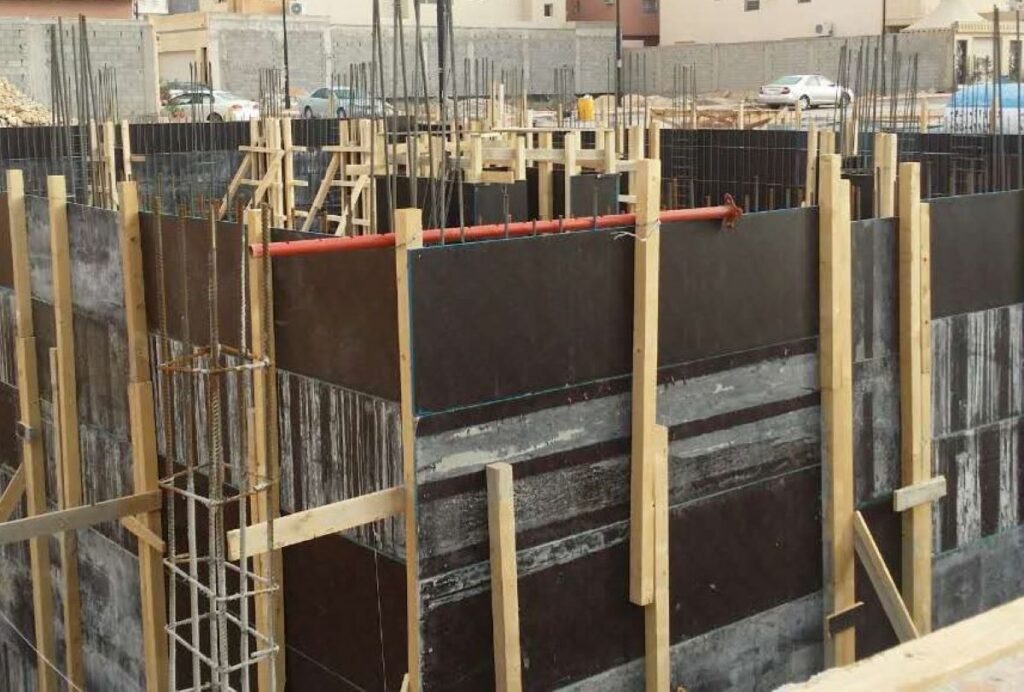
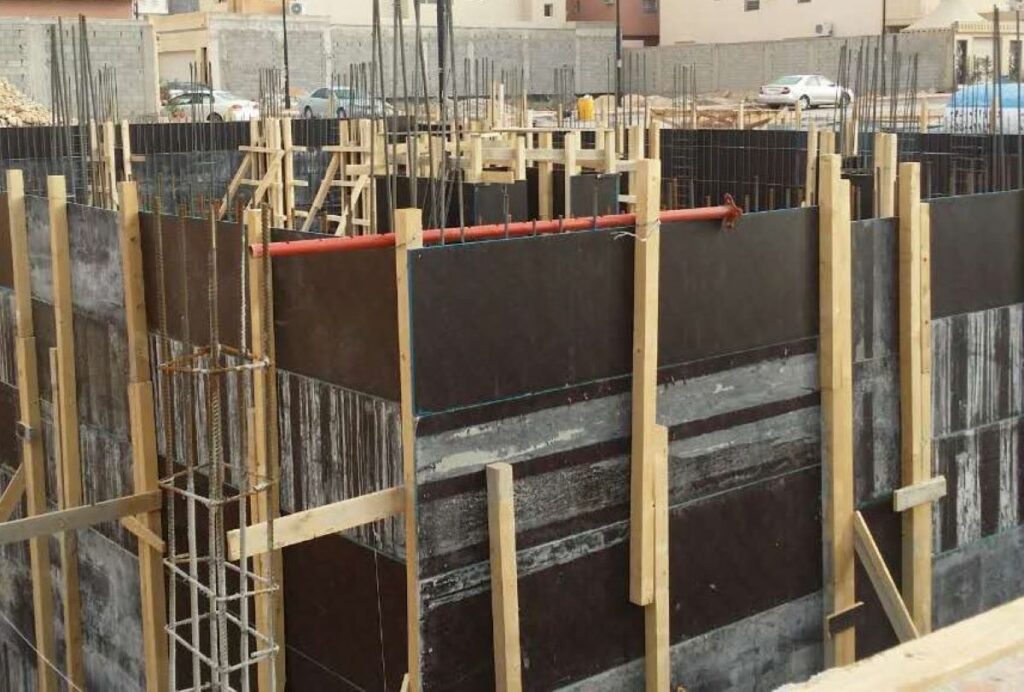
The most common type is film-faced formwork plywood, often with a dark brown or black surface film. It is used for a smoother finish and easier release, particularly on walls and soffits.

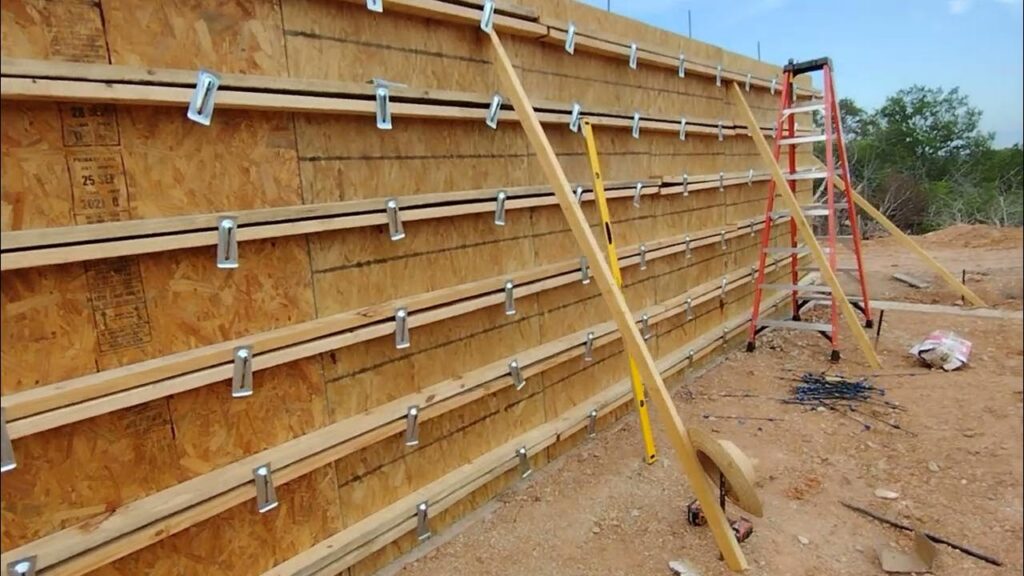
Non-film-faced structural plywood may also be used where a rougher finish is acceptable or where the surface will be rendered, plastered, or otherwise covered later.

What sizes and thicknesses do contractors typically choose?

Many sites use 2440 mm x 1220 mm sheets because they suit common formwork grids and are easy to plan around. Thickness choice depends on span, support spacing, and concrete pressure.

Typical thicknesses include 12 mm, 15 mm, 18 mm, and 21 mm. Thicker panels generally mean less deflection, but they also weigh more and cost more.

How is formwork plywood used in concrete works?

They cut panels to suit the formwork layout, fix them to timber or metal frames, and brace the system to resist wet concrete pressure. Once poured, the plywood acts as the face that gives the concrete its shape and surface texture.

After curing reaches the required strength, they strip the formwork, clean the panels, and reuse them where the faces and edges remain sound.

Why do builders use film-faced plywood for formwork?

They use film-faced plywood because the film reduces water absorption and helps prevent cement paste from bonding to the wood. That makes striking easier and can improve the concrete’s visual finish by reducing grain marks and patchy colour.

It also speeds up turnaround because cleaning is usually simpler when release agents are applied correctly.

What loads and pressures must formwork plywood withstand?

Fresh concrete behaves like a heavy fluid, creating lateral pressure on vertical forms and bending loads on horizontal decks. The plywood must resist deflection to avoid bulges, steps at joints, and uneven slab soffits.

They manage performance through correct panel thickness, proper joist spacing, adequate bracing, and reliable fasteners, not by relying on plywood alone.

How do they install and fix formwork plywood properly?

They install panels with tight joints, consistent support under edges, and sufficient bearers under the sheet to control deflection. They also align face grain direction and support spacing with the manufacturer’s guidance to avoid sagging.

Fixings should be planned so panels can be removed without tearing the face film. They commonly pre-drill near edges to reduce splitting and keep fastener patterns consistent for predictable stripping.

formwork plywood

How do they prevent concrete from sticking to the plywood?

They apply a suitable formwork release agent in a thin, even coat before pouring. Too much release agent can stain concrete or cause surface defects, while too little can lead to sticking and damaged faces.

They also protect the panels from standing water and avoid pouring onto dirty faces, because grit and hardened paste can lock the panel to the concrete.

How many times can formwork plywood be reused?

Reuse depends on the panel quality, the type of pour, stripping method, and how well they clean and store sheets. Higher-grade film-faced panels can often be reused many times on well-managed jobs, while low-grade panels may fail after only a few cycles.

Edge sealing, careful handling, and proper cleaning usually matter more than people expect, because most early failures start at the edges.

What maintenance and storage practices extend its lifespan?

They clean panels soon after striking, using plastic scrapers and water where appropriate, and avoid aggressive tools that cut the film. They reseal damaged edges and repair minor face damage to prevent water ingress.

They store sheets flat on level bearers, protected from rain and direct sun, and keep them off the ground to reduce warping and contamination. Read more about construction systems.

What mistakes commonly cause formwork plywood to fail early?

One common issue is poor support spacing, which leads to excessive deflection and permanent bending. Another is unsealed edges, which lets water in and causes swelling, delamination, and soft corners.

They also shorten lifespan by dragging sheets, striking too early, prying against corners, or leaving concrete residue to harden on the face.

Is formwork plywood safe and compliant for structural use?

Formwork systems must be designed and checked for the loads involved, and the plywood should be fit for purpose rather than chosen on price alone. They usually rely on product documentation such as declared panel properties, glue class, and any structural grading relevant to the application.

On higher-risk pours, they follow engineered formwork designs and site inspections because failure can be sudden and dangerous.

formwork plywood

When should they choose alternatives to formwork plywood?

They may choose steel, aluminium, or plastic formwork systems when repetition is high and speed is critical, such as multi-storey cores and large housing developments. Those systems often give consistent results, longer service life, and faster cycling, but can be costly upfront.

They may also prefer permanent formwork solutions where stripping is difficult, or where the formwork becomes part of the finished build-up.

How should they choose the right formwork plywood for a job?

They choose based on concrete finish requirements, expected number of reuses, panel thickness needs, and site conditions like weather exposure and handling constraints. They also check that the panel bonding and face durability match wet-concrete use, not just general construction.

If the job needs a cleaner architectural finish, they typically prioritise film-faced quality and joint planning. If the surface will be covered, they may prioritise strength and cost over appearance.

Related : How to Choose the Right Concrete Form Plywood for Your Project

FAQs (Frequently Asked Questions)

What is formwork plywood and why is it used in concrete construction?

Formwork plywood is a tough, film-faced plywood designed to shape and support wet concrete until it gains enough strength. It is used because it produces clean concrete surfaces, speeds up pouring processes, and can be reused multiple times when handled correctly.

How does formwork plywood differ from standard plywood?

Formwork plywood is specifically made to withstand repeated contact with wet concrete, moisture, pressure, and site wear. It features tighter thickness tolerances, stronger bonding with exterior-grade glue (often phenolic), and a durable film-faced surface to resist water absorption and prevent delamination. Standard plywood is generally for dry internal use or general sheathing and lacks these specialised properties.

What are the common types and sizes of formwork plywood used on construction sites?

The most common type is film-faced formwork plywood with a dark brown or black resin-impregnated surface film for smooth finishes and easier release. Sizes typically are 2440 mm x 1220 mm sheets, which fit common formwork grids. Thicknesses vary based on application but commonly include 12 mm, 15 mm, 18 mm, and 21 mm panels.

How is formwork plywood installed and maintained to ensure longevity?

Panels are cut to suit the layout, fixed tightly to timber or metal frames with consistent support under edges, and braced properly to resist concrete pressure. Maintenance includes cleaning panels soon after striking using plastic scrapers and water, resealing damaged edges, storing sheets flat off the ground protected from rain and sun, and applying formwork release agents before pouring to prevent concrete sticking.

What factors affect the reuse potential of formwork plywood?

Reuse depends on panel quality, type of pour, stripping methods, cleaning practices, and storage conditions. Higher-grade film-faced panels can be reused many times if edges are sealed properly and handling is careful. Early failures often start at unsealed edges due to water ingress causing swelling or delamination.

When should alternatives to formwork plywood be considered in construction projects?

Alternatives such as steel, aluminium or plastic formwork systems may be chosen when high repetition of pours is expected or where engineered designs require materials with different performance characteristics. The choice depends on project needs including durability, cost-effectiveness over multiple uses, ease of cleaning, and structural requirements.

Air Conditioning Service Hills District: How Often Is Enough?

Air Conditioning Service Hills District: How Often Is Enough?

The right frequency depends on usage, the unit’s age, indoor air quality needs, and whether the system is ducted or split. A regular schedule helps protect efficiency, comfort, and reliability when temperatures spike.

How often should air conditioning be serviced in the Hills District?

For most homes, an annual service is enough. If they run air conditioning most days, have pets, live with allergies, or notice performance issues, a 6-month service cycle is often smarter.

Coastal air is not the only factor that wears systems down. Local dust, pollen, and long run times can load filters and coils quickly, which is why “once a year” is a baseline, not a guarantee.

What changes the ideal service schedule?

Usage is the biggest driver. A system used lightly may stay stable for a year, but one used for heating and cooling year-round often needs more attention.

Other factors include older units, poor airflow rooms, renovations creating dust, and homes with multiple occupants. In many cases, scheduling an air conditioning service Hills District becomes necessary sooner than planned. If they notice rising power bills, weaker airflow, or new noises, waiting for the calendar can be a mistake.

Do ducted and split systems need servicing at the same frequency?

They both benefit from yearly servicing, but ducted systems often justify shorter intervals. Ducted setups have more components that affect performance, including return air paths, zones, and ductwork conditions.

Split systems are simpler, but indoor heads can still clog and grow odours if filters and coils are neglected. If they rely on multiple splits throughout the home, the combined load can make 6-month checks worthwhile.

What are the signs they are overdue for a service?

Common signs include reduced cooling or heating, stale or musty smells, unusual noises, and rooms that no longer hold temperature. Ice on pipes, short cycling, or a unit that runs constantly are also red flags.

They may also notice higher electricity bills without a lifestyle change. These symptoms usually mean the system is working harder than it should, which increases wear and the risk of breakdown.

Air Conditioning Service Hills District: How Often Is Enough?

What does a proper air conditioning service usually include?

A proper service checks both performance and safety. It typically includes cleaning or inspecting filters, checking coils and drainage, testing electrical connections, and confirming airflow and temperature split.

For ducted systems, technicians may also review zones, inspect the indoor fan and drain, and check duct connections where accessible. Good servicing should focus on measurable outcomes, not just a quick wipe-down.

Is servicing different from cleaning, repairs, or a tune-up?

Servicing is preventative and performance-focused. Cleaning is only one part of it, while repairs fix a known fault, such as a failed capacitor or leaking drain.

A “tune-up” is often used as a marketing term, but it should still include the core checks that confirm the unit is operating efficiently. If they are only paying for a basic clean, they may miss early warning signs.

Can they skip servicing if the unit seems to work fine?

They can, but it is rarely cost-effective. Many issues start quietly, such as restricted airflow, dirty coils, or a slowly failing fan motor, and the first obvious symptom can be a breakdown on a very hot day.

Regular servicing helps keep efficiency steady. Even small efficiency losses matter when a unit runs for hours each day during peak summer.

How does regular servicing affect energy bills and efficiency?

Servicing helps the unit move air and transfer heat properly, which reduces run time. Clean filters and coils can make a noticeable difference, especially for systems that have been neglected.

When airflow is restricted, compressors and fans work harder. That increases energy use and heat stress on components, which can shorten the system’s life and lead to more frequent repairs.

Does servicing help the system last longer?

Yes, because it reduces strain. Systems that run with clogged filters, dirty coils, or poor drainage typically operate hotter and longer, which accelerates wear.

Regular checks can also catch small issues early, like loose electrical connections or failing capacitors. Fixing those early is usually cheaper than dealing with a major failure later.

What servicing schedule makes sense for different households?

A practical guide looks like this:

  • Every 12 months: most homes with average use and no major air quality concerns.
  • Every 6 months: heavy daily use, pets, allergy-sensitive households, and homes running heating and cooling year-round.
  • Before summer: helpful for anyone who depends on air conditioning during heatwaves and wants maximum reliability.

If they are unsure, they can start with annual servicing and adjust based on filter condition, dust levels, and performance trends.

What should they ask an air conditioning service provider in the Hills District?

They should ask what the service includes, whether performance testing is done, and if the technician will check drainage and electrical safety. For ducted systems, they should ask if zone operation and airflow balance are reviewed.

It also helps to ask for before-and-after observations, such as temperature split readings or notes on coil condition. A clear report makes it easier to plan future maintenance and budget for upgrades.

What is the simplest answer to “How often is enough?”

Enough is “often enough to keep performance stable and prevent surprise failures.” For most Hills District homes, that means servicing every 12 months, moving to every 6 months when usage is heavy or conditions are dusty.

A consistent schedule is usually better than waiting for problems. When they maintain the system proactively, it tends to cost less, feel better, and break down less often.

Air Conditioning Service Hills District: How Often Is Enough?

FAQs (Frequently Asked Questions)

How often should air conditioning be serviced in the Hills District?

Most homes in the Hills District should have their air conditioning serviced every 12 months. However, homes with heavy daily use, pets, allergy concerns, or those running heating and cooling year-round may benefit from servicing every 6 months to maintain optimal performance.

What factors influence the ideal air conditioning service schedule?

The frequency of servicing depends on usage intensity, the unit’s age, indoor air quality needs, and system type (ducted or split). Additional factors include local dust and pollen levels, presence of pets, renovations causing dust, and signs like rising energy bills or reduced airflow.

Do ducted and split air conditioning systems require different service intervals?

Both ducted and split systems benefit from at least annual servicing. Ducted systems often need more frequent checks due to their complex components like ductwork and zones. Multiple split units in a home may also justify a 6-month service cycle to ensure efficiency.

What are common signs that an air conditioning system is overdue for servicing?

Signs include reduced cooling or heating effectiveness, stale or musty odors, unusual noises, inconsistent room temperatures, ice formation on pipes, short cycling, constant running units, and unexplained increases in electricity bills indicating inefficiency.

What does a comprehensive air conditioning service typically involve?

A proper service includes cleaning or inspecting filters, checking coils and drainage systems, testing electrical connections, verifying airflow and temperature splits. For ducted systems, technicians also inspect zones, indoor fans, drains, and accessible duct connections to ensure safety and performance.

Is regular servicing important even if the air conditioning unit seems to work fine?

Yes. Many issues develop quietly without immediate symptoms. Regular servicing prevents efficiency losses by addressing problems like restricted airflow or dirty coils early on. This reduces the risk of unexpected breakdowns during extreme weather and helps maintain lower energy costs.

More about Baulkham Hills Air Conditioning: What Locals Need to Know Before Buying

Double Bay Buyers Agency

How a Double Bay Buyers Agency Unlocks Off-Market Opportunities

What Is a Double Bay Buyers Agency and What Services Do They Provide?

A Double Bay buyers agency represents property purchasers exclusively in the Double Bay area and broader Eastern Suburbs of Sydney. These specialized agencies act solely in the buyer’s interest, using local market expertise and industry connections to secure properties that match client requirements.

The core Double Bay buyers agency services extend far beyond simple property searches. These professionals manage the entire acquisition process from initial research through to final settlement, ensuring buyers navigate the competitive Sydney property market with confidence.

Buyers agencies conduct targeted property search activities tailored to each client’s specific criteria. This includes identifying suitable properties across both public listings and exclusive off-market opportunities that never reach mainstream advertising channels.

The search process considers:

  • Budget parameters and financing capacity
  • Location preferences within Double Bay and surrounding suburbs
  • Property type, size, and specific features
  • Investment objectives or lifestyle requirements
  • Timeline constraints and urgency levels

Market Analysis and Valuation Expertise

Professional buyers agents provide comprehensive market analysis to ensure clients understand true property values. They assess recent comparable sales, current market conditions, and suburb-specific trends that influence pricing.

This valuation expertise prevents buyers from overpaying in heated markets. Agents analyze property condition, location advantages, development potential, and any factors that might affect future resale value.

Negotiation Strategies and Offer Preparation

Expert negotiation forms a critical component of buyers agency services. Agents develop strategic approaches based on vendor motivation, market conditions, and property-specific circumstances.

The negotiation process includes:

  • Crafting compelling offers that stand out to vendors
  • Managing counteroffers and maintaining favorable positioning
  • Structuring contract terms that protect buyer interests
  • Leveraging market knowledge to secure competitive prices

Coordination of Inspections and Settlement Processes

Buyers agencies orchestrate all inspection requirements, from initial property viewings through to building and pest inspections. They coordinate with relevant professionals, review reports, and advise clients on any concerns discovered.

Settlement management encompasses contract review, liaison with solicitors, coordination of finance approval, and ensuring all conditions are met before completion. This comprehensive oversight minimizes stress and reduces the risk of transaction complications.

How Do Buyers Agencies Gain Access to Off-Market Opportunities?

Buyers agencies unlock off-market listings through cultivated relationships with selling agents, property developers, and industry insiders who contact them before properties reach public advertising channels. These connections form the backbone of exclusive property access, built over years of successful transactions and professional trust within the Double Bay and Eastern Suburbs property markets.

The Power of Deep Local Knowledge

A Double Bay buyers agency’s intimate understanding of neighborhood dynamics, property values, and market trends positions them as trusted advisors within real estate networks. Agents working in the area recognize buyers agencies as serious players who bring qualified, motivated clients ready to transact quickly. This reputation means selling agents proactively reach out when homeowners consider selling but haven’t committed to a public campaign.

Local knowledge extends beyond property values. Understanding which streets command premium prices, which buildings have strong owner-occupier ratios, and which developments offer the best long-term value creates conversation points that strengthen industry relationships. When a buyers agent demonstrates this expertise, they become the first call for agents managing discreet sales.

Building Relationships That Open Doors

The relationship between buyers agencies and local real estate agents operates on mutual benefit. Selling agents appreciate buyers agencies because they:

  • Present pre-qualified buyers with verified financial capacity
  • Facilitate faster transactions without lengthy marketing periods
  • Reduce the administrative burden of managing multiple buyer inquiries
  • Maintain professional standards throughout negotiations

These advantages encourage selling agents to share off-market listings with trusted buyers agencies before considering public campaigns. A selling agent managing a property for a privacy-conscious vendor or testing market appetite will contact established buyers agencies first, knowing they can deliver serious buyers without unnecessary exposure.

Strategic Mechanisms for Early Property Discovery

Buyers agencies employ systematic approaches to discover properties before public listing. Regular contact with selling agents across the Eastern Suburbs creates a pipeline of opportunities. Weekly check-ins, market update discussions, and relationship-building lunches keep buyers agencies top-of-mind when new instructions arrive.

Database management plays a crucial role. Buyers agencies maintain detailed records of client requirements—specific streets, property types, budget ranges, and timeline flexibility. When an off-market listing emerges, they can immediately match it against active buyer profiles, responding within hours rather than days.

Why Are Off-Market Opportunities Advantageous for Property Buyers?

Off-market properties grant buyers first access before listings hit public portals, creating a competitive edge that transforms the purchasing landscape. This early visibility means clients can inspect homes, assess suitability, and make informed decisions while other buyers remain unaware these properties exist.

Early Viewing Creates Strategic Timing Advantages

Exclusive viewings allow buyers to evaluate properties without the pressure of open homes or competing inspection times. A Double Bay buyers agency schedules private appointments that accommodate client schedules, enabling thorough property assessments. Buyers can return for second or third viewings, bring architects or builders for consultations, and conduct detailed due diligence—luxuries rarely available once properties enter the public market.

This privileged access extends beyond simple timing. Buyers discover properties that perfectly match their criteria before sellers commit to formal marketing campaigns, when flexibility in terms and conditions remains highest.

Reduced Competition Translates to Better Pricing

The absence of multiple bidders fundamentally shifts price negotiation advantages in the buyer’s favor. Public auctions and heavily marketed listings often trigger emotional bidding wars that inflate prices beyond true market value. Off-market transactions eliminate this artificial pressure.

When a Double Bay buyers agency presents a qualified buyer to a seller through private channels, negotiations occur in a controlled environment. Sellers appreciate the certainty of dealing with pre-vetted, financially capable buyers, often accepting reasonable offers that reflect genuine market conditions rather than auction-day emotions.

Price discovery happens through rational analysis rather than competitive frenzy, allowing buyers to secure properties at fair valuations without the premium typically added by public competition.

Tailored Property Matches Increase Success Rates

Off-market opportunities enable buyers agencies to match specific client requirements with precision. Rather than sifting through hundreds of public listings that partially meet needs, buyers receive curated options that align with their exact preferences—from architectural style and land size to proximity to schools or harbor views.

This targeted approach proves particularly valuable for buyers seeking:

  1. Heritage properties with specific period features
  2. Waterfront homes with particular aspect requirements
  3. Development sites meeting precise zoning criteria
  4. Family estates with specific bedroom configurations and outdoor space

How Does a Buyers Agency Negotiate the Best Deals for Clients?

Expert negotiation can turn a seller’s asking price into a fair market value that truly reflects the worth of a property. A buyers agency in Double Bay has specialized negotiation tactics developed through hundreds of transactions, knowing exactly when to push harder and when to be patient for better results. These professionals take emotions out of the decision-making process, using data-driven confidence and market knowledge that individual buyers usually don’t have.

Double Bay Buyers Agency

The Role of Buyer Representation in Negotiation

Buyer representation plays a crucial role in negotiations by acting as a buffer between clients and selling agents who naturally want to get the highest sale prices. The agency strategically protects buyers by preventing them from showing their excitement, budget limits, or personal circumstances that could weaken their negotiating position. This professional distance allows agents to use calculated tactics—such as being silent at the right moments or making conditional offers—without compromising the buyer’s ultimate goals. Click here to learn about from search to settlement: your Dover Heights buyers advocate simplifies the process.

Using Market Data to Support Offers

Skilled negotiators back up every offer with thorough market analysis. They compare recent sales of similar properties, identify any flaws in the property that justify lower prices, and highlight market conditions that benefit buyers. This evidence-based approach gives sellers legitimate reasons to accept lower offers instead of just responding with random numbers. The agency’s expertise in valuing properties becomes especially powerful in situations where sellers don’t have multiple bidders competing to drive prices up.

Protecting Buyers’ Interests Through Contract Negotiation

Negotiation goes beyond just discussing the purchase price; it also involves negotiating various contract clauses that can impact buyers’ outcomes:

  • Settlement periods that allow enough time for finance approval and due diligence
  • Subject-to clauses that protect buyers if building inspections uncover significant issues
  • Inclusions and exclusions that clearly define which fixtures, fittings, and chattels are included or excluded from the property sale
  • Vendor warranties regarding the condition of the property, any outstanding work, or compliance certificates
  • Deposit structures that minimize buyer risk while still meeting seller security requirements

A buyers agency in Double Bay carefully examines every part of the contract, identifying potential risks and negotiating changes that protect their clients’ interests. This meticulous attention prevents costly surprises during settlement and ensures buyers fully understand what they are purchasing.

Timing Strategies for Unlocking Off-Market Opportunities

How a buyers agency in Double Bay finds off-market opportunities becomes clear through their timing strategies. Agents know when sellers are under pressure—such as approaching settlement dates or facing financial difficulties—and use this knowledge to negotiate better deals on behalf of their clients. By leveraging these timing tactics alongside other negotiation techniques, agencies can secure properties at lower prices without attracting much competition from other buyers.

What Benefits Do Sellers Experience Through Off-Market Sales Facilitated by Buyers Agencies?

Sellers save thousands of dollars by avoiding traditional listing fees, marketing expenses, and auction costs when working through buyers agencies. A typical public sale campaign in Double Bay can cost between $15,000 to $30,000 when factoring in agent commissions, professional photography, staging, print advertising, and auction fees. Off-market transactions eliminate these expenses entirely, as buyers agencies bring pre-qualified purchasers directly to sellers without requiring extensive promotional campaigns.

1. Privacy in sales

Privacy in sales becomes a critical advantage for sellers who prefer discretion. High-net-worth individuals, executives undergoing career transitions, or families dealing with sensitive circumstances benefit from limiting public exposure of their property sale. Off-market transactions prevent open homes that bring strangers through private spaces and eliminate the digital footprint of online listings that can remain searchable for years.

2. Strategic flexibility

The ability to test market interest without public commitment gives sellers strategic flexibility. A property owner can gauge buyer appetite and pricing expectations through a buyers agency network before committing to a full marketing campaign. If initial feedback suggests the asking price needs adjustment, sellers can recalibrate their expectations privately rather than reducing a publicly listed price—which often signals desperation to the broader market.

3. Reduced marketing costs

Reduced marketing costs extend beyond immediate savings to include time efficiency. Traditional sales campaigns typically run 4-6 weeks with multiple open homes, while off-market sales through buyers agencies can complete in 2-3 weeks. This compressed timeline reduces holding costs including mortgage payments, council rates, and property maintenance expenses.

4. Attracting serious buyers

Sellers also attract more serious buyers through this channel. Buyers agencies represent clients who have already secured finance pre-approval and demonstrated genuine purchasing intent. This pre-qualification process filters out casual browsers and unqualified prospects, resulting in fewer wasted viewings and more productive negotiations. The focused approach means sellers deal with a smaller pool of genuinely interested parties rather than managing dozens of inquiries from the general public.

5. Maintaining control over the sale narrative

The seller benefits off-market approach provides particularly through maintaining control over the sale narrative. Unlike public auctions where pricing becomes transparent to neighbors and the wider community, off-market sales keep financial details confidential between the involved parties. This discretion proves valuable in tightly-knit communities like Double Bay where property values and personal finances often become topics of local conversation.

How Does Utilizing a Double Bay Buyers Agency Make the Buying Process More Efficient?

A Double Bay buyers agency makes buying property easier by taking care of every complicated step from finding a place to settling in. Professional buyers agents handle paperwork, work with lawyers, arrange building inspections, and communicate with everyone involved, so buyers don’t have to deal with all the boring stuff.

The Different Stages of Buying Property

When you buy a property, there are many detailed steps involved that can quickly become too much for someone trying to navigate the market on their own. Buyers agencies have organized methods for each stage:

  1. Finding properties and doing research – This includes thorough investigations, checking property titles, and looking into the history of the property.
  2. Coordinating finances – Buyers agencies work with mortgage brokers and financial advisors to make sure funds are ready.
  3. Ensuring legal compliance – They handle contract reviews, cooling-off periods, and any regulatory requirements.
  4. Scheduling inspections – Qualified professionals are brought in to conduct building, pest, and strata reports.

The Advantage of Off-Market Properties

Having access to properties that aren’t publicly listed speeds up the buying process compared to traditional methods. When homes aren’t advertised for sale, buyers can skip the usual marketing timeframes that often last 4-6 weeks before auctions or private treaty sales take place. Instead, off-market deals usually wrap up within 2-3 weeks once both parties agree on terms.

This speed comes from direct talks between buyers agents and selling agents without any delays caused by open houses, advertising campaigns, or bidding wars. Sellers who choose to sell off-market typically want quick and certain sales rather than prolonged exposure on the market.

Double Bay Buyers Agency

Stress-Free Buying Experience

Expert advice at every step creates a hassle-free experience when buying property by removing doubt and emotional decision-making. Buyers agents offer unbiased guidance based on market information instead of personal feelings, helping avoid expensive errors like paying too much in competitive situations or missing important flaws in the property.

Knowing that a skilled professional is looking out for your interests during negotiations, contract reviews, and settlement processes brings priceless peace of mind. Buyers agents foresee potential problems before they arise—such as identifying unfavorable contract clauses or flagging zoning restrictions that could impact future plans.

How a Double Bay buyers agency unlocks off-market opportunities goes beyond simply discovering hidden properties—it includes delivering smooth transactions through established connections, professional project management skills, and strategic knowledge that turns what could be an overwhelming experience into a confident and controlled buying journey.

Dover Heights Buyers Advocate

From Search to Settlement: Your Dover Heights Buyers Advocate Simplifies the Process

Dover Heights is one of Sydney’s most sought-after locations, known for its stunning ocean views and luxurious clifftop mansions. With median house prices around $6.95 million, this area attracts discerning buyers looking for the perfect combination of coastal luxury and city convenience, just a short drive from the CBD.

Table of Contents

Why Specialized Expertise Matters in High-Value Property Markets

When it comes to navigating high-value property markets like Dover Heights, having a trusted buyers advocate Dover Heights is crucial. Investing millions in your future home involves significant financial and emotional stakes. Without a deep understanding of local market trends, buyers run the risk of overpaying, missing out on hidden opportunities, or failing to identify important issues with a property.

How a Buyers Advocate Can Help

A Dover Heights buyers advocate can make this complex process much easier. They work solely in your best interests and handle every aspect of the property buying process for you. This includes:

  1. Finding suitable properties through their extensive networks
  2. Negotiating favorable terms on your behalf
  3. Coordinating settlement activities

With their in-depth knowledge of Eastern Suburbs real estate, buyers advocates have access to off-market listings that may not be available to the general public. They can also help you avoid common mistakes that many buyers make and ensure that the properties you consider align perfectly with your lifestyle and investment goals.

The end result? Less stress, better outcomes, and peace of mind knowing that every decision made during the buying process is in line with what you want.

What Makes Dover Heights a Unique and Competitive Market?

Dover Heights is one of Sydney’s most exclusive Eastern Suburbs, known for its luxury homes that sell for top dollar and properties that rarely stay on the market for long. The real estate market in Dover Heights operates at a completely different pace and price range compared to most suburbs in Sydney.

The Affluent Coastal Appeal

Located on the cliffs overlooking the Pacific Ocean, Dover Heights offers breathtaking coastal views that few other suburbs in Sydney can match. This area attracts wealthy individuals who are looking for both a luxurious lifestyle and a prestigious address. The streets are lined with trees and feature stunning architectural designs, along with beautifully maintained gardens. Residents have easy access to famous beaches like Bondi and Tamarama, while being only 8 kilometers away from the Sydney CBD.

But it’s not just the scenery that makes Dover Heights appealing. The suburb also has excellent schools, high-end dining options, and a strong sense of community – all factors that wealthy families consider when choosing their next home.

Premium Price Points Reflect Luxury Status

The numbers clearly show where Dover Heights stands in Sydney’s property market:

  • Median house price: $6.95 million
  • Median unit price: $3 million+
  • Price range: Properties regularly exceed $10 million for premium waterfront estates

These figures place Dover Heights firmly in Sydney’s luxury property tier, where buyers expect exceptional quality, prime locations, and architectural distinction. Despite these high prices, demand for properties remains consistently strong. Wealthy buyers see Dover Heights as a smart investment and an ideal place to live.

Limited Supply Creates Intense Competition

Dover Heights has an owner-occupier rate of about 78%, which is significantly higher than many other suburbs in Sydney. This statistic reveals an important aspect of the market: homeowners buy here with the intention of staying long-term, rather than flipping properties for quick profits. When residents invest millions into their homes in Dover Heights, they usually plan to live there for many years or even decades.

This high retention rate creates a scarcity issue for potential buyers. With limited properties available at any given time, each listing attracts multiple interested parties. The combination of restricted supply and ongoing demand for properties turns every sale into a competitive event.

Fast-Moving Sales and Competitive Bidding

Properties in Dover Heights don’t stay on the market for long. Quality homes often receive multiple offers within days of being listed, with some even going under contract before they are officially marketed to the public. This fast-paced environment is further intensified by the limited supply of available properties, making each listing highly sought after and increasing competition among potential buyers.

A buyers advocate starts by having detailed discussions with you to understand your specific needs, budget limitations, lifestyle choices, and long-term objectives. This personalized approach turns the buyers advocate property search into a strategic mission that aligns with your unique vision. They ask important questions about your preferred architectural styles, proximity to schools or beaches, outdoor space requirements, and investment goals in order to create a complete profile of your ideal Dover Heights property.

1. Local Market Knowledge

Local market knowledge becomes the foundation for identifying properties that match your criteria while avoiding those that seem appealing but have hidden drawbacks. A Dover Heights buyers advocate has a deep understanding of the micro-markets within the suburb—they know which streets command higher prices for ocean views, which areas offer better value, and how different locations perform in terms of capital growth. They are aware of the subtle differences between properties near Dover Heights Public School and those closer to Bondi Beach, and can provide guidance on the implications of each location.

2. Access to Off-Market Listings

The advocate’s established relationships with local real estate agents, developers, and property owners open doors to off-market and pre-market listings that never appear on public websites. These exclusive opportunities often represent the best value in Dover Heights, where properties can sell before official marketing campaigns begin:

  • Private sales negotiated directly between parties
  • Properties offered to select buyers before public auction
  • Upcoming listings shared by agents seeking qualified purchasers
  • Developer projects available during pre-construction phases

3. Tailored Property Selection

Tailored property selection means you receive only properties that genuinely meet your criteria, eliminating hours spent scrolling through irrelevant listings online. Your advocate filters hundreds of potential properties, presenting a curated shortlist of the most suitable options. They arrange inspections at convenient times, accompany you to viewings, and provide objective assessments of each property’s strengths and weaknesses based on their professional expertise.

4. Time Savings

The time savings prove substantial in Dover Heights’ fast-moving market. Rather than dedicating weekends to attending open homes across the Eastern Suburbs, you focus only on pre-vetted properties with genuine potential. Your advocate handles the initial inquiries, requests property information, and conducts preliminary assessments before involving you in the process. This efficiency becomes particularly valuable for busy professionals, interstate buyers, or international purchasers who cannot physically inspect multiple properties.

5. Stress Reduction

What Due Diligence Does a Buyers Advocate Conduct on Your Behalf?

A buyers advocate performs extensive due diligence to protect your investment and uncover any potential issues before you commit. They conduct comprehensive research into zoning laws, local development applications, and future infrastructure plans that could impact property values in Dover Heights.

Why Is Zoning Research Critical in Dover Heights?

Zoning research reveals what can and cannot be built on a property or neighboring lots. Your advocate examines council zoning maps, development controls, and heritage overlays specific to Dover Heights to ensure the property aligns with your intended use. They investigate pending development applications in the surrounding area that might affect views, privacy, or property values—particularly important in this coastal suburb where ocean vistas command premium prices.

How Do Building and Pest Inspections Dover Heights Protect Your Purchase?

Professional building and pest inspections form the backbone of property due diligence. Your buyers advocate arranges qualified inspectors to examine:

  • Structural integrity including foundations, walls, and roof condition
  • Waterproofing and drainage systems (critical in coastal environments)
  • Electrical wiring and plumbing infrastructure
  • Timber pest activity including termites and borers
  • Compliance with building codes and regulations

These property inspections Dover Heights often reveal hidden defects that could cost hundreds of thousands to rectify. Your advocate reviews inspection reports with you, explaining technical findings in plain language and advising whether issues are deal-breakers or negotiation opportunities.

What Property Condition Factors Do Advocates Assess?

Beyond formal inspections, experienced advocates assess numerous condition factors through their trained eye. They evaluate the quality of renovations, identify signs of water damage or structural movement, and gauge the remaining lifespan of major components like roofing and hot water systems. In Dover Heights’ salt-air environment, they pay special attention to corrosion on metal fixtures, deterioration of external paintwork, and the condition of outdoor entertaining areas.

Your advocate coordinates with solicitors to review Section 149 certificates, strata reports (for apartments), and title searches. They verify easements, encumbrances, or restrictions that might limit property use. For strata properties common in Dover Heights, they scrutinize by-laws governing common areas and pet ownership which may impact your lifestyle choices.

Dover Heights Buyers Advocate

How Do Buyers Advocates Navigate Negotiations in a High-Value Market?

Buyers advocates use advanced negotiation strategies that they have developed over many years of working in high-end markets. They are able to secure the best prices and terms by looking at similar sales data, understanding the motivations of sellers, and strategically timing their offers when the market conditions are favorable for buyers. Click here to learn about how a Double Bay buyers agency unlocks off-market opportunities.

What tactics prevent overpaying in competitive situations?

Experienced advocates use competitive market tactics that minimize emotional decision-making during heated bidding scenarios. They establish clear price ceilings based on property valuations before auctions begin, preventing clients from exceeding rational limits. When multiple buyers show interest, advocates may recommend pre-auction offers to vendors, bypassing public competition entirely. They also identify properties with longer market exposure where vendors demonstrate greater flexibility.

How does market intelligence shape offer strategies?

Price negotiation in Dover Heights requires intimate knowledge of recent transactions, seasonal trends, and neighborhood-specific factors. Advocates track days-on-market statistics, noting properties that have passed in at auction or undergone price reductions. This intelligence informs whether to submit aggressive initial offers or adopt patient approaches. For properties listed at $6 million or above, understanding vendor circumstances—such as relocation timelines or financial pressures—creates negotiation leverage.

What techniques strengthen buyer positioning?

Advocates present clients as serious, qualified purchasers through:

  • Pre-approved finance documentation demonstrating purchasing capacity
  • Flexible settlement terms that accommodate vendor preferences
  • Minimal subject-to-sale conditions that reduce transaction risk
  • Professional communication maintaining respectful vendor relationships

How do advocates handle vendor counteroffers?

When vendors reject initial proposals, advocates analyze counteroffer gaps to determine genuine price expectations versus negotiation posturing. They may request property disclosure statements or additional inspection time as bargaining tools, creating perceived value exchanges. In Dover Heights’ luxury segment, advocates often negotiate inclusions—high-end furnishings, landscaping features, or security systems—adding thousands in value without increasing purchase prices.

What role does timing play in securing favorable terms?

Advocates monitor auction clearance rates and seasonal buyer activity to identify optimal negotiation windows. Properties listed during quieter periods (late December or mid-winter) typically attract fewer competing buyers. They also recognize when vendors face deadline pressures—expired listings, financial year-end considerations, or coordinated marketing efforts—to leverage negotiations effectively.

How Buyers Advocates Handle Paperwork and the Settlement Process

A buyers advocate simplifies the complicated settlement process by managing all the paperwork, deadlines, and details for you. They oversee the entire transaction from when the contract is exchanged to when you receive the keys, making sure everything goes smoothly in Dover Heights’ fast-moving luxury market.

Dealing with Complex Documents for High-Value Transactions

Properties in Dover Heights that sell for over $6 million require a lot of legal paperwork to be handled. Your buyers advocate carefully reviews important documents such as contracts of sale, zoning certificates, strata reports for apartments, and vendor disclosure statements. They pay close attention to any concerning clauses like restrictive covenants, easements, or unusual settlement terms before you make any commitments.

But it’s not just the initial contract that matters. Building inspection reports, pest inspection findings, strata meeting minutes, and financial statements for apartment complexes also need to be thoroughly examined. Your advocate compares these documents to find any inconsistencies or potential issues that someone without training might miss.

For waterfront properties that are common in Dover Heights, there are additional challenges such as environmental reports and assessments of coastal erosion. Your advocate makes sure that all necessary certificates and disclosures reach your solicitor on time so that there are no delays that could put your purchase at risk.

Coordinating Different Professionals Throughout the Transaction

Coordinating a transaction means bringing together a team of experts who are all working towards your settlement date. Your buyers advocate is the main point of contact for:

  1. Solicitors or conveyancers who handle legal matters and prepare contracts
  2. Building and pest inspectors who assess the property
  3. Mortgage brokers or lenders who process finance approvals
  4. Real estate agents representing the seller
  5. Strata managers for unit purchases requiring documentation
  6. Insurance providers who arrange coverage before settlement

This coordination becomes especially valuable when problems come up. If a building inspection uncovers structural issues, your advocate quickly connects your solicitor with the inspector to discuss possible solutions or price adjustments. When finance approval delays threaten settlement deadlines, they negotiate extensions with the vendor’s agent while keeping your lender informed.

The established relationships that your advocate has with professionals in Dover Heights help speed up responses. A local solicitor who understands the specific requirements of properties in Eastern Suburbs can process contracts faster than someone who is unfamiliar with the area.

Keeping Everyone Informed Throughout the Process

Effective communication is key during any property transaction. Your buyers advocate ensures that all parties involved stay updated on important developments:

  • Sending timely updates to your solicitor about any changes in timelines or requirements
  • Communicating directly with lenders to confirm finance conditions and approval dates
  • Informing real estate agents about your preferred settlement timeframe

By maintaining open lines of communication, your advocate minimizes misunderstandings and keeps everyone focused on achieving a successful outcome.

Managing Deadlines Proactively

Meeting deadlines is critical in property transactions where delays can lead to financial penalties or missed opportunities:

  • Contractual obligations: Your buyers advocate tracks key dates outlined in contracts such as cooling-off periods or deposit payments.
  • Financial commitments: They ensure that loan applications are submitted promptly so that funds are available by settlement.
  • Inspection timelines: Coordinating building and pest inspections within specified periods prevents last-minute surprises.

By proactively managing these deadlines, your advocate mitigates risks associated with non-compliance while safeguarding your interests throughout the process.

Navigating Challenges with Expertise

Every property transaction comes with its own set of challenges—be it negotiating repairs post-inspection or addressing financing hurdles:

  • Problem-solving skills: Your buyers advocate draws upon their experience dealing with similar situations to devise effective solutions.
  • Negotiation tactics: They leverage relationships built over years working alongside industry professionals during negotiations.
  • Contingency planning: When faced with unexpected roadblocks (such as disputes over repair costs), having backup plans ready ensures continuity towards settlement.

With an expert by your side navigating these complexities on behalf of you—your chances of overcoming obstacles increase significantly compared to going solo!

Why Is Engaging a Buyers Advocate Essential for Premium Properties in Dover Heights?

Can you afford to navigate a $6.95 million purchase without expert guidance? The median house price in Dover Heights demands professional representation to protect your substantial investment. At this price point, even a 1% negotiation advantage translates to nearly $70,000 in savings, making the cost of a buyers advocate a strategic financial decision rather than an expense.

The premium property buying benefits extend far beyond price negotiations. Expert guidance Dover Heights professionals provide becomes invaluable when properties sell within days of listing, leaving little time for independent buyers to conduct thorough research. A buyers advocate’s established network and market intelligence ensure you don’t miss opportunities or rush into decisions that could compromise your investment security.

What risks do fast-moving luxury markets pose to independent buyers? Dover Heights properties often receive multiple offers within 48 hours of listing, creating pressure that leads to emotional decision-making. Without professional representation, buyers may:

  • Overlook critical building defects hidden behind premium finishes
  • Overpay due to competitive bidding environments
  • Miss crucial zoning restrictions affecting future renovation plans
  • Accept unfavorable contract terms in the rush to secure a property

A buyers advocate acts as your strategic buffer against these pressures, maintaining objectivity when emotions run high.

How does professional representation enhance your chances of securing premium properties? Buyers advocates in Dover Heights maintain relationships with agents, developers, and property owners that provide access to off-market listings before they reach public channels. This exclusive access means you’re competing with fewer buyers, sometimes negotiating directly with sellers before auctions are even scheduled.

Their expertise in identifying properties that match your specific criteria—whether ocean views, proximity to Bondi Beach, or investment potential—eliminates wasted time viewing unsuitable homes. When your ideal property appears, your advocate moves quickly with pre-approved finance arrangements and ready documentation.

Does personalized service truly align with your financial goals? Every buyer’s situation differs—some seek family homes with school proximity, others want investment properties with strong rental yields, while many desire prestige addresses for lifestyle reasons. A buyers advocate tailors their approach to your specific objectives, whether that means:

  • Prioritizing properties with development potential for future value growth
  • Identifying undervalued homes requiring cosmetic updates
Dover Heights Buyers Advocate

Conclusion

The journey from search to settlement in Dover Heights demands expertise that only a dedicated buyers advocate can provide. This exclusive market, with its multi-million dollar price tags and lightning-fast sales cycles, rewards those who partner with professionals who understand every nuance of the buying process.

A trusted buyers advocate transforms what could be an overwhelming experience into a simplified home buying journey. They become your strategic partner, combining local market intelligence with proven negotiation tactics to secure properties that align perfectly with your vision and investment goals.

The buyers advocate advantages extend far beyond property identification. From accessing hidden off-market opportunities to managing complex settlement logistics, these professionals handle the intricate details that can make or break a premium property transaction. Their relationships with local agents, thorough due diligence processes, and skilled negotiation approach consistently deliver results that justify their engagement.

Dover Heights property success requires more than financial capacity—it demands strategic insight, market timing, and expert representation. Whether you’re seeking a coastal family home with breathtaking ocean views or a strategic investment in one of Sydney’s most prestigious postcodes, a buyers advocate ensures you navigate this competitive landscape with confidence.

The question isn’t whether you can afford to engage a buyers advocate in Dover Heights. Given the stakes involved in transactions regularly exceeding $6 million, the real question is whether you can afford not to. Their guidance protects your interests, maximizes your investment potential, and turns the complex property purchase process into a streamlined, stress-free experience that leads you straight to your ideal property.

Buyer’s Agent

What Does a Buyer’s Agent Do in Australia? A Complete Guide for Home Buyers

Buying property in Australia is one of the biggest financial decisions most people will ever make. Whether you’re a first-home buyer trying to enter the market, an investor chasing long-term growth, or a family upgrading to a better location, the process can feel overwhelming. Tight supply, competitive auctions, confusing contracts, and emotional decision-making often work against buyers.

This is where a buyer’s agent—also known as a buyers agency—can make a real difference. Acting solely in your interests, a buyer’s agent helps you find, assess, and negotiate property with clarity and confidence.

In this guide, we’ll break down what a buyer’s agent does in Australia, how they work, the benefits they offer, and whether using one is right for you.


What Is a Buyer’s Agent in Australia?

A buyer’s agent is a licensed property professional who represents the buyer—not the seller—throughout the property purchase process. Unlike selling agents, who are paid to achieve the highest price for vendors, buyer’s agents work exclusively for you.

In Australia, buyer’s agents must be licensed or registered according to state legislation (for example, under NSW Fair Trading or Consumer Affairs Victoria). Their role is to protect your interests, provide expert advice, and guide you toward a well-researched purchase.

A buyers agency may support clients across different needs, including:

  • First-home buyers
  • Property investors
  • Owner-occupiers upgrading or downsizing
  • Interstate or overseas buyers

What Does a Buyer’s Agent Actually Do?

While services vary slightly between agencies, most buyer’s agents in Australia provide end-to-end support.

Property Search and Strategy

A buyer’s agent starts by understanding your goals, budget, timeline, and risk tolerance. This forms the basis of a clear buying strategy.

They then research suburbs, streets, and individual properties based on:

  • Market data and recent sales
  • Local infrastructure and growth drivers
  • Zoning, overlays, and development plans
  • Rental demand (for investors)

For example, a buyer’s agent in Sydney may guide a client away from over-priced hotspots and toward quieter suburbs with stronger long-term fundamentals.


Accessing On-Market and Off-Market Properties

One of the most valuable benefits of using a buyers agency is access.

Buyer’s agents maintain strong relationships with selling agents and often hear about properties before they hit public listings. These off-market opportunities can be especially valuable in cities like Sydney, Melbourne, and Brisbane, where competition is intense.

This doesn’t mean every purchase is off-market—but having early access can reduce competition and pressure.


Due Diligence and Property Evaluation

Before recommending a property, a buyer’s agent conducts detailed due diligence, including:

  • Comparing recent comparable sales
  • Assessing price fairness and future potential
  • Identifying red flags in building reports
  • Reviewing strata records for apartments

For first-home buyers, this step alone can prevent costly mistakes caused by emotion or inexperience.


Negotiation and Auction Representation

Negotiation is where experienced buyer’s agents truly earn their keep.

They negotiate daily and understand how selling agents operate. Whether it’s a private treaty or a high-pressure auction, a buyer’s agent knows how to:

  • Set a firm, evidence-based price limit
  • Remove emotion from the process
  • Read agent tactics and market signals

In auction-heavy cities like Melbourne and Sydney, many buyers choose a buyer’s agent specifically for auction bidding representation.

Buyer’s Agent

Managing the Purchase Process

Once a property is secured, a buyer’s agent can help coordinate:

  • Contract reviews with solicitors
  • Building and pest inspections
  • Settlement timelines

This support reduces stress and ensures nothing critical is missed.


Why Buyers Use a Buyer’s Agent in Australia

Saving Time and Reducing Stress

Property searching can feel like a second full-time job. Buyer’s agents streamline the process by shortlisting suitable properties and filtering out poor options.

For busy professionals, families, or interstate buyers, this time saving alone is a major benefit.


Better Negotiation Outcomes

Most buyers purchase property only a few times in their life. Buyer’s agents do it every day.

That experience often leads to:

  • Lower purchase prices
  • Better contract terms
  • Reduced risk of overpaying

Even small negotiation wins can outweigh the buyer’s agent fee.


Local Market Expertise

Australian property markets are highly localised. What works in Brisbane may not work in Sydney, and even neighbouring suburbs can behave very differently.

A knowledgeable buyers agent Australia-wide understands these nuances and bases advice on evidence—not hype.


Emotional Detachment

Emotions are one of the biggest risks in property buying. Falling in love with a home can lead to overbidding or overlooking flaws.

Buyer’s agents provide a calm, objective perspective and keep decisions aligned with your strategy.


Common Buyer Challenges—and How a Buyer’s Agent Helps

“I Don’t Know What a Fair Price Is”

Markets move quickly, and advertised prices can be misleading. Buyer’s agents rely on recent, verified sales data—not asking prices—to assess value.


“I Keep Missing Out on Properties”

Repeated rejection is common, especially for first-home buyers. A buyer’s agent improves your chances by:

  • Identifying realistic options
  • Improving negotiation strategy
  • Accessing off-market opportunities

“I’m Buying Interstate or From Overseas”

Local insight is critical. A buyers agency can act as your eyes and ears on the ground, inspecting properties and handling negotiations on your behalf.


Practical Example: How a Buyer’s Agent Adds Value

Consider a Sydney couple upgrading from an apartment to a family home. They were attending inspections every weekend and missing out at auction.

A buyer’s agent helped them refine their suburb shortlist, introduced an off-market listing, conducted due diligence, and negotiated a purchase before public advertising. The result was a smoother process and a purchase aligned with their long-term needs.


How Much Does a Buyer’s Agent Cost in Australia?

Fees vary depending on the service level and location. Common structures include:

  • Fixed fee
  • Percentage of purchase price
  • Tiered packages (search-only or full service)

While costs may seem significant upfront, many buyers find the long-term value outweighs the fee—especially when negotiation savings are considered.


Is a Buyer’s Agent Worth It?

A buyer’s agent isn’t for everyone. Confident, experienced buyers with time and local knowledge may choose to go it alone.

However, a buyer’s agent is often worth considering if you:

  • Are a first-home buyer
  • Feel overwhelmed or time-poor
  • Are buying in a competitive city
  • Want professional negotiation support

The key is choosing a reputable, licensed buyers agency that prioritises education and transparency.


How to Choose the Right Buyer’s Agent

Before engaging a buyer’s agent, ask:

  • Are you fully licensed in this state?
  • Do you work for buyers only?
  • How do you source properties?
  • What is included in your fee?

Clear answers indicate professionalism and trustworthiness.


Final Thoughts: Buying with Confidence

Understanding what a buyer’s agent does in Australia empowers you to make informed decisions. A good buyer’s agent doesn’t rush you or pressure you—they guide, educate, and advocate on your behalf.

Whether you’re buying your first home or expanding your investment portfolio, the right buyers agency can turn a stressful process into a confident, well-planned purchase.


Frequently Asked Questions (FAQs)

Do buyer’s agents work for sellers?

No. Buyer’s agents represent buyers only and act solely in their client’s best interests.

Can a buyer’s agent help first-home buyers?

Yes. Many first-home buyers use buyer’s agents for education, guidance, and negotiation support.

Do buyer’s agents get access to off-market properties?

Often, yes. While not guaranteed, buyer’s agents frequently hear about properties before they are publicly listed.

Is a buyer’s agent legal in Australia?

Yes, as long as they are licensed or registered under state legislation.

Can I use a buyer’s agent in Sydney, Melbourne, or Brisbane?

Yes. Many agencies specialise in specific cities or operate Australia-wide.

Buyer’s Agent

Regional vs Capital City: Where Should You Invest in Australian Real Estate?

 Introduction to Regional vs Capital City Investment

Investing in Australian real estate requires careful consideration of location. Investors often debate between regional areas and major capital cities like Sydney, Melbourne, and Brisbane. Each option has unique benefits and challenges. Understanding population trends, infrastructure development, rental demand, and market growth is essential to make informed investment decisions in 2025.

 Advantages of Capital City Investments

Capital cities continue to attract investors in property Sydney due to high population density, strong infrastructure, and economic opportunities.

 Strong Capital Growth Potential

Capital cities often provide higher long-term capital growth due to consistent demand from both local and foreign buyers. High-demand suburbs in Sydney and Melbourne have historically appreciated in value faster than regional markets.

 Steady Rental Demand

Urban areas attract professionals, students, and families, ensuring low vacancy rates and reliable rental income. Properties near transport, employment hubs, and amenities are particularly sought-after.

 Access to Lifestyle and Infrastructure

Proximity to schools, shopping centers, hospitals, and recreational facilities increases property appeal and can enhance both rental yields and resale value.

 Advantages of Regional Investments

Regional areas are becoming increasingly attractive due to affordability, growth potential, and lifestyle benefits.

 Affordable Entry and Higher Yields

Property prices in regional towns are significantly lower than in capital cities, allowing investors to enter the market with smaller deposits. Rental yields are often higher in growing regional centers, providing strong cash flow.

 Population Growth and Infrastructure Development

Many regional areas are experiencing population growth, driven by lifestyle changes and remote working trends. Infrastructure developments like new roads, schools, and healthcare facilities further boost property demand.

 Opportunity for Portfolio Diversification

Investing in regional areas allows investors to diversify across different locations, reducing risk and enhancing overall portfolio stability. Combining regional and capital city properties can balance growth and income objectives.

 Factors to Consider Before Investing

Investors should carefully evaluate financial capacity, risk tolerance, and investment goals. Capital city investments offer long-term growth and steady demand but require higher capital. Regional investments provide affordability and higher yields but may involve longer-term capital growth and increased management requirements. Access to professional guidance, such as buyers agents Australia and property advisors, can help identify the best opportunities in both markets.

 Conclusion

Choosing between regional and capital city investments depends on individual goals, financial capacity, and risk appetite. Capital cities provide long-term growth, steady rental demand, and infrastructure benefits, while regional areas offer affordability, high rental yields, and emerging opportunities. By understanding market dynamics and leveraging professional guidance, Australian investors can build a balanced, profitable property portfolio in 2025 and beyond.

 FAQs

Which is better for first-time investors, regional or capital city properties?

Regional properties are often better due to lower entry costs, higher rental yields, and easier portfolio diversification.

Do capital city properties offer better long-term growth?

Yes, prime suburbs in major cities usually appreciate faster and provide steady rental demand.

How can investors balance both markets?

Combining capital city and regional properties diversifies risk, balances cash flow, and captures both growth and yield opportunities.

Should I use a buyers agent for investment?

Yes, buyers agents Australia can identify off-market properties, negotiate better deals, and guide investors to profitable opportunities in both regional and capital city markets.

Modern apartment building with wood and gray facade under sunlight.
tree removal Hunters Hill

What Are the Hidden Costs of Emergency Tree Removal in Hunters Hill

What is Emergency Tree Removal and Why is it Urgent in Hunters Hill?

Emergency tree removal in Hunters Hill refers to the immediate extraction of trees that pose an imminent threat to people, property, or infrastructure. This service becomes necessary when trees suddenly become dangerous and cannot wait for scheduled maintenance.

Several situations demand urgent action in Hunters Hill’s leafy suburbs:

  • Storm damage – Severe weather can split trunks, uproot trees, or leave them precariously leaning towards homes
  • Disease or decay – Trees weakened by rot may collapse without warning
  • Structural failure – Large branches breaking and hanging dangerously overhead
  • Power line interference – Trees or limbs touching electrical wires create fire and electrocution risks
  • Blocking access – Fallen trees preventing emergency vehicle access to properties

TThe urgency stems from the unpredictable nature of compromised trees. A damaged tree can fall at any moment, potentially causing injury, crushing vehicles, damaging roofs, or bringing down power lines.

When it comes to tree removal Hunters Hill emergencies, understanding the full scope of potential costs is crucial. Hidden expenses often extend well beyond the initial quote you receive. The basic removal fee typically covers only the cutting and felling of the tree itself, leaving numerous additional charges that can significantly increase your final bill.

Property owners in Hunters Hill often discover unexpected costs appearing after the work begins. These expenses arise from services not included in standard tree removal Hunters Hill packages, such as:

  • Stump grinding and root removal
  • Debris hauling and disposal fees
  • Special equipment rental charges
  • Additional labour for complex removals
  • Permit fees for protected trees

Understanding these potential expenses before committing to emergency tree removal Hunters Hill protects you from budget shocks. A seemingly affordable quote of $800 can quickly escalate to $2,000 or more once all necessary services are included.

The urgency of emergency situations compounds this issue. When a tree threatens your property, you need immediate action—but that pressure can lead to accepting incomplete quotes without carefully reviewing what’s actually covered in the service.

What Factors Influence the Cost of Emergency Tree Removal in Hunters Hill?

Several factors affecting tree removal cost determine the final price you’ll pay for emergency services in Hunters Hill. Understanding these variables helps property owners anticipate expenses and prepare accordingly.

1. Tree Size

Tree size plays a primary role in pricing calculations. A small ornamental tree under 5 metres might cost significantly less than a towering eucalyptus reaching 20 metres or more. Larger specimens demand more labour hours, specialised equipment, and careful planning to execute safely. Arborists must account for the weight distribution, cutting techniques, and controlled lowering of substantial branches and trunk sections.

2. Tree Condition

Tree condition directly impacts both risk and cost. A healthy tree with solid wood follows predictable cutting patterns, whilst damaged or decayed specimens present unpredictable hazards. Storm-damaged trees with split trunks or hanging branches require extra precautions. Dead trees become brittle and unstable, making them prone to sudden collapse during removal operations. These compromised conditions necessitate additional safety measures and slower, more methodical work.

3. Accessibility

Accessibility to the tree site substantially affects pricing structures. Trees positioned in open backyards with clear access paths cost less to remove than those wedged between buildings, near swimming pools, or backing onto steep slopes. Limited access prevents standard equipment use, forcing arborists to employ manual techniques or bring in specialised machinery like cranes or elevated work platforms.

Why Are Emergency Tree Removals More Expensive Than Scheduled Services?

Emergency tree removal costs significantly more than scheduled services because urgent situations demand immediate response and resource allocation. When a tree becomes hazardous during a storm or suddenly threatens property, arborists must drop their planned work and mobilise crews instantly, often disrupting their entire schedule to address your emergency.

The emergency vs scheduled tree removal cost difference stems from several operational factors:

  1. Standby crews: Arborists maintain standby crews for urgent callouts, which requires paying staff to remain available outside regular hours.
  2. Overtime charges: When your tree emergency occurs at night, during weekends, or on public holidays, overtime charges can add 50-100% to the standard rate.
  3. Higher risk: Crews often work in poor conditions—during storms, in darkness, or immediately after severe weather when conditions remain unstable. This elevated risk requires additional safety measures and insurance coverage as outlined in this congressional report.
  4. Dedicated resources: Each emergency callout requires dedicated equipment, personnel, and time that could otherwise be distributed across several scheduled jobs.

The immediate nature of emergency work means arborists cannot wait for optimal weather conditions or coordinate multiple jobs in one area to reduce travel costs.

tree removal Hunters Hill

What Hidden Charges Might Appear Beyond the Basic Removal Fee?

The quoted price for emergency tree removal rarely tells the complete story. Several additional services can significantly increase your final bill, often catching property owners off guard when the invoice arrives.

1. Stump Grinding Cost

One of the most common unexpected expenses is the cost of stump grinding. The basic removal fee usually covers cutting down the tree and removing the trunk, but the stump remains firmly rooted in the ground. Grinding this stump requires specialised machinery that pulverises the wood and roots below ground level. The process can take several hours depending on the size of the stump and complexity of its root system, with costs varying based on diameter and depth of grinding required.

2. Debris Hauling Fees

Another expense to consider is debris hauling fees. While arborists will cut and section the tree during removal, transporting the resulting wood, branches, and green waste away from your property isn’t always included in the basic fee. Large trees generate substantial volumes of material that require multiple truck loads for proper disposal at approved facilities.

3. Land Clearing Expenses

In emergency situations involving multiple trees or extensive vegetation removal, land clearing expenses may apply. This service goes beyond single tree extraction, encompassing the clearing of surrounding undergrowth, smaller saplings, and comprehensive site cleanup. Properties with storm damage often need this broader approach, transforming what seemed like a straightforward removal into a more extensive project. Visit https://www.safeworkaustralia.gov.au/media-centre/news/guide-managing-risks-tree-work to get a guide to manage the risk of tree work.

How Does Tree Location and Accessibility Affect Hidden Costs?

Does a tree’s position on your property impact removal expenses? Yes, difficult access tree removal can significantly increase costs, sometimes doubling the original quote. Trees positioned in tight spaces, near structures, or behind fences often require specialised approaches that standard equipment cannot handle.

What makes certain locations more expensive to work with? Restricted access points force arborists to use alternative methods. For instance, tree removal in confined spaces often involves manual labor or compact equipment, extending labour hours and raising the special equipment cost.

When do arborists need to hire cranes? Trees overhanging buildings, pools, or delicate landscaping often require crane assistance. The crane lifts large sections vertically away from structures, preventing damage during removal. This equipment hire can add £500 to £2,000 to your bill, depending on the crane size and rental duration. Such scenarios are common when removing trees with cranes or bucket trucks.

Why might bucket trucks become necessary? Tall trees near power lines demand bucket trucks for safe access. These vehicles allow arborists to work at height whilst maintaining distance from electrical hazards. Bucket truck hire typically adds £300 to £800 to the total cost, particularly if the job requires extended positioning or multiple access points around the tree.

Why Should You Choose a Professional Insured Arborist for Emergency Tree Removal?

Hiring a professional insured arborist protects you from liability and ensures the job is completed safely. When dealing with emergency tree removal in Hunters Hill, working with certified professionals means you won’t be held responsible if accidents occur during the removal process.

1. Property Damage Prevention

Property damage prevention stands as one of the most significant insured arborist benefits. Certified arborists possess specialised training to assess risks and execute removals without harming nearby structures, fences, gardens, or underground utilities. Their expertise in rigging techniques and controlled dismantling minimises the chance of costly damage to your property or neighbouring homes.

2. Comprehensive Service

Professional arborists provide comprehensive service that extends beyond simply cutting down a tree. They evaluate the entire situation and identify whether additional work is necessary:

  • Structural assessments of remaining trees that may pose future risks
  • Stump grinding recommendations to prevent regrowth and pest infestations
  • Land clearing requirements if multiple trees or extensive debris need removal
  • Root system evaluation to determine if underground damage has occurred

3. Insurance Coverage

Insurance coverage through professional arborists shields you from unexpected expenses related to property damage or worker injuries. Understanding what are the hidden costs of emergency tree removal in Hunters Hill includes recognising that choosing uninsured operators may save money initially but could result in substantial financial liability if something goes wrong during the removal process.

See Also : Arborist Gladesville how to revive old garden trees with professional care

How Can You Avoid Unexpected Fees in Emergency Tree Removal?

Can requesting a detailed estimate for tree removal prevent surprise charges? Yes, obtaining a comprehensive written quote before work begins is your strongest protection against unexpected costs.

The estimate should itemise every aspect of the job, from the initial assessment through to final cleanup. Request specific line items for tree removal, stump grinding, debris hauling, and any specialised equipment like cranes or bucket trucks. Ask whether the quote includes potential complications such as working near power lines or accessing difficult locations.

Essential elements your written estimate should cover:

  • Complete breakdown of labour costs and hourly rates
  • Equipment rental fees and operator charges
  • Debris removal and disposal costs
  • Stump grinding or removal services
  • Any council permit fees required in Hunters Hill
  • Insurance coverage and liability protection, including details on how to file a claim if necessary as outlined in this insurance guide

Clarify whether the quoted price is fixed or subject to change based on unforeseen circumstances. Reputable arborists will explain potential variables upfront and provide a realistic cost range rather than lowball estimates that inflate later.

tree removal Hunters Hill

When Is the Best Time to Schedule Emergency Tree Removal to Reduce Costs?

Can timing tree removal in Hunters Hill reduce your expenses? Yes, scheduling during off-peak periods can lower costs, though true emergencies can’t wait for seasonal discounts.

Arborists typically experience quieter periods during late autumn and winter months when demand drops. During these seasons, tree service companies may offer more competitive rates or have greater flexibility to accommodate non-urgent work. If your tree situation allows for some planning—perhaps a tree showing early signs of instability rather than immediate danger—waiting for these slower periods could save money.

Weather conditions also play a role in pricing. Dry, mild days allow for faster, safer work compared to wet or windy conditions that slow down operations and increase labour hours. Spring and summer see peak demand due to storm season and active tree growth, which drives prices higher.

The key distinction lies between genuine emergencies requiring immediate action and situations where you have time to plan. A tree leaning dangerously over your home demands instant attention regardless of season, whilst a dead tree in an open area might allow strategic timing.

Conclusion

Understanding the hidden costs of emergency tree removal in Hunters Hill helps you budget appropriately and avoid financial surprises. The true expense extends well beyond the initial quote, including factors like equipment hire, debris removal, stump grinding, and accessibility challenges.

Seeking emergency tree removal advice in Hunters Hill from qualified professionals ensures you receive transparent pricing upfront. Request detailed written estimates that itemise all potential charges, including after-hours fees, specialised equipment costs, and additional services. This approach protects you from unexpected expenses whilst ensuring the work meets safety standards.

Working with insured, certified arborists provides peace of mind that the job will be completed safely without causing damage to your property or neighbouring structures. These professionals can assess the full scope of work required and provide accurate costings based on your specific situation.

Take time to compare quotes from multiple trusted local arborists in Hunters Hill. Ask questions about their insurance coverage, experience with emergency situations, and what their estimates include. This preparation ensures you receive quality service at a fair price when urgent tree removal becomes necessary.

FAQs About Emergency Tree Removal in Hunters Hill

1. What is emergency tree removal in Hunters Hill?
It’s the urgent removal of trees posing immediate risks to people, property, or power lines, usually after storms or structural failure.
2. Why is emergency tree removal urgent?
Damaged or unstable trees can collapse without warning, causing serious injury or property damage if not removed promptly.
3. What situations require emergency tree removal?
Common reasons include storm damage, disease, trunk splits, hanging branches, and trees blocking roads or driveways.
4. Why are emergency removals more expensive than regular services?
They involve rapid response, after-hours labour, and higher safety risks, often requiring overtime and specialised equipment.
5. What hidden costs can appear in emergency tree removal?
Extra charges may include stump grinding, debris hauling, crane hire, labour for difficult access, and permit fees.
6. How does tree location affect removal cost?
Trees near buildings, fences, or power lines require more care and equipment, increasing both labour and total expenses.
7. Why should I hire an insured arborist for emergency removal?
Certified arborists prevent property damage, work safely, and provide insurance protection against accidents or injuries.
8. How can I avoid unexpected tree removal fees?
Request a detailed written estimate that lists all costs—labour, equipment, disposal, and permits—before approving any work.
9. When is the best time to schedule tree removal to save costs?
If it’s not an emergency, scheduling during off-peak months (late autumn or winter) can help lower overall service rates.

Gladesville arborist

Arborist Gladesville how to revive old garden trees with professional care

Can Old Garden Trees in Gladesville Be Revived?

Yes, old garden trees in Gladesville can be successfully revived through targeted professional tree care delivered by qualified arborists. Mature trees suffering from neglect, disease, or environmental stress respond remarkably well to expert intervention when addressed promptly.

Gladesville arborist specialist brings essential diagnostic skills to assess the specific health challenges affecting aging specimens. These professionals employ proven techniques including strategic pruning, soil enrichment, and pest management to revive old garden trees that homeowners might otherwise consider removing. The revival process combines scientific knowledge with hands-on experience, transforming declining trees into thriving landscape features that continue providing shade, beauty, and ecological benefits for decades.

What Are the Common Issues Affecting Old Garden Trees in Gladesville?

Old garden trees in Gladesville typically suffer from dead or dying branches that compromise structural integrity and create safety hazards. These aging specimens often struggle with soil depletion, where decades of growth have exhausted essential nutrients from the surrounding earth.

Pest infestations pose another significant threat, with borers, scale insects, and termites targeting weakened trees. Disease pathogens find easy entry points through damaged bark and untreated wounds, accelerating decline.

Environmental stresses compound these problems:

  • Drought conditions during Sydney’s hot summers
  • Root zone compaction from foot traffic or construction
  • Competition from nearby plants for water and nutrients
  • Physical damage from storms or improper maintenance

These combined factors create a downward spiral. Weakened trees become more susceptible to secondary infections, whilst compromised root systems struggle to absorb water and nutrients. Without intervention, the tree’s natural defence mechanisms fail, leading to progressive deterioration that can ultimately prove fatal to even the most established garden specimens.

How Does Professional Pruning Help Revive Old Trees?

Professional pruning opens the tree canopy to allow better air circulation and sunlight penetration throughout the structure. This process reduces humidity levels within dense foliage, creating an environment less favourable for fungal diseases and pest infestations that commonly plague neglected trees.

Arborist pruning techniques for aging specimens include:

  • Crown thinning: Selective removal of branches to reduce density whilst maintaining the tree’s natural shape
  • Deadwood removal: Eliminating deceased or dying limbs that drain resources and pose safety hazards
  • Structural pruning: Correcting weak branch attachments and removing crossing limbs that cause wounds

Tree canopy management by certified professionals ensures cuts are made at proper angles and locations to promote rapid healing. Arborists identify which branches to remove based on growth patterns, structural integrity, and the tree’s energy distribution needs. Strategic pruning old trees redirects nutrients from maintaining excessive growth to strengthening core structures and developing healthy new shoots. Each cut serves a specific purpose in the tree’s recovery plan.

Why Is Soil Restoration Essential for Tree Health?

Healthy soil provides the foundation for robust root systems and nutrient absorption. Without proper soil conditions, even well-pruned trees struggle to recover from decline. Soil restoration for trees addresses compaction, nutrient depletion, and poor drainage that commonly affect aging specimens in Gladesville gardens.

Root function depends entirely on the soil environment surrounding them. Depleted or compacted soil restricts oxygen flow to roots, limiting their ability to absorb water and essential minerals. This weakens the entire tree structure over time.

Homeowners can enhance improving soil quality Gladesville through several practical methods:

  • Apply a 75-100mm layer of organic matter for soil such as composted manure or aged bark mulch around the tree base
  • Avoid piling mulch against the trunk to prevent rot
  • Aerate compacted soil using a garden fork to create small holes that allow air and water penetration
  • Test soil pH and adjust with lime or sulphur as recommended by local arborists

These simple interventions create optimal conditions for root recovery, enabling old trees to access the resources they need for renewed vigour.

Gladesville arborist

How Do Arborists Manage Pests and Diseases in Old Trees?

Arborists conduct thorough inspections to detect early signs of pest infestations and diseases before they cause irreversible damage. Pest control for trees begins with identifying specific threats, followed by implementing targeted treatments that address the problem without harming beneficial organisms or the tree itself.

Disease management arborist services focus on diagnosing fungal infections, bacterial issues, and viral conditions that commonly afflict aging trees. Professional arborists use integrated pest management approaches, combining biological controls, selective pruning of infected areas, and appropriate chemical treatments when necessary.

In Gladesville, old garden trees frequently encounter:

  • Borers that tunnel through bark and wood, weakening structural integrity
  • Scale insects that drain sap and reduce vigour
  • Fungal diseases like root rot and canker that spread rapidly in stressed trees
  • Psyllids causing leaf damage and dieback

Treating tree infections requires precise diagnosis and timing. Arborists apply systemic treatments during active growth periods, remove diseased branches using sterilised equipment, and implement preventative measures to stop disease spread throughout the canopy. You may like to visit https://gbconstructioninc.com/what-are-the-hidden-costs-of-emergency-tree-removal-in-hunters-hill/ to get more about the hidden costs of emergency tree removal in Hunters Hill.

What Environmental Stresses Affect Old Garden Trees and How Can They Be Mitigated?

Environmental stress on trees is caused by factors such as drought, winter injury, and physical root damage, which can lead to a decline in mature trees. When there are long periods without rain, the roots of the trees do not get enough moisture, resulting in leaf drop, branch dieback, and making them more susceptible to pests.

How to Solve Drought Stress

To address drought stress, it is important to water the trees deeply during extended dry periods. Instead of watering near the trunk, make sure to apply 10-15 litres of water each week around the area where the tree’s branches extend (known as the drip line). Additionally, adding a layer of organic mulch that is 75-100mm thick will help retain moisture in the soil and regulate temperature, keeping the roots protected during hot summers in Gladesville.

Winter Protection for Trees in Gladesville

In order to protect trees from winter damage in Gladesville, it is necessary to wrap the bark of young trees or damaged trunks with hessian material. This will prevent frost cracking, which can harm the tree. It is important to pay special attention to the root areas as well—avoid digging or causing heavy foot traffic within the drip line since compacted or severed roots can weaken the tree’s stability and ability to absorb nutrients.

Installing protective barriers around construction zones is another way to prevent accidental damage that may take years to show as visible decline in the trees.

When Should Fertilization Be Used to Support Tree Recovery?

Fertilizing old trees becomes necessary when soil tests reveal nutrient deficiencies or when visible signs of poor health appear despite addressing other issues. Balanced fertilization provides essential nutrients that aging trees struggle to access through depleted soil, supporting new growth and strengthening existing structures.

Slow-release organic fertilizers offer distinct advantages for mature tree recovery:

  • Deliver nutrients gradually over several months, matching the tree’s natural uptake patterns
  • Improve soil structure and microbial activity rather than simply adding chemicals
  • Reduce the risk of nutrient burn or excessive growth spurts that weaken branches
  • Support long-term soil health alongside immediate tree needs

Spring and early autumn represent ideal timing for fertilizing old trees in Gladesville, allowing roots to absorb nutrients before major growth periods. An Arborist Gladesville how to revive old garden trees with professional care approach includes soil testing before application, ensuring the fertilizer blend matches specific deficiencies. Excessive fertilization can harm stressed trees, making professional assessment crucial for determining appropriate nutrient support for trees showing signs of decline.

Why Is Ongoing Monitoring and Maintenance Critical After Initial Care?

Does a single treatment guarantee long-term tree health? No—tree maintenance in Gladesville requires consistent professional oversight to secure lasting results. Initial interventions like pruning and soil restoration create the foundation, yet trees need continuous support to maintain their recovery trajectory.

Ongoing arborist care catches emerging problems before they escalate. Seasonal changes, new pest arrivals, or shifting environmental conditions can quickly undermine previous gains. Regular inspections identify subtle warning signs—discoloured foliage, unusual growth patterns, or early disease symptoms—that untrained eyes typically miss.

Monitoring tree health through scheduled assessments allows arborists to adjust care strategies as the tree responds. A recovering tree may need modified watering schedules, additional nutrient support, or targeted treatments for secondary infections. Professional evaluation every 3-6 months ensures the tree receives precisely what it needs at each recovery stage, preventing setbacks that could reverse months of careful restoration work.

What Expertise Do Arborists Bring to Reviving Old Garden Trees in Gladesville?

Certified arborists bring a wealth of knowledge and expertise to the table, having undergone specialized training in tree biology, pathology, and structural mechanics. This specialized knowledge directly impacts revival success rates for old garden trees. Their expertise allows them to accurately diagnose complex health issues that untrained observers might miss, from subtle fungal infections to hidden structural weaknesses.

When it comes to tree care in Gladesville, professional specialists not only understand local soil conditions and climate patterns but also the species-specific requirements unique to the area. This regional knowledge proves invaluable when developing customized treatment plans for mature specimens.

Expert tree diagnosis involves assessing multiple factors simultaneously:

  • Root system health and stability
  • Canopy structure and branch integrity
  • Pest or disease presence at early stages
  • Environmental stress indicators
  • Soil composition and nutrient deficiencies

Arborists apply evidence-based techniques refined through years of fieldwork and continuing education. They recognize when aggressive intervention helps versus when gentle, gradual approaches better serve aging trees. Their ability to predict how trees will respond to specific treatments minimises risks whilst maximising recovery potential. Safety considerations during pruning or structural work require professional judgment that protects both the tree and surrounding property.

It’s essential to understand why hiring a certified arborist is crucial for healthy tree growth and urban landscaping. These professionals not only provide expert care but also play a significant role in maintaining the ecological balance in urban settings. Moreover, the tree down below is just as important as what we see above ground. The root system’s health and stability are key factors in a tree’s overall well-being, which further emphasizes the need for professional intervention when dealing with old garden trees.

Gladesville arborist

How Can Homeowners in Gladesville Benefit from Hiring a Professional Arborist to Revive Their Mature Garden Trees?

When you hire arborist Gladesville services, you gain access to specialized techniques that transform declining trees into thriving landscape features. Professional arborists possess the training and equipment to safely execute complex tasks like structural pruning, advanced soil amendment, and targeted pest management—interventions that require precise knowledge to avoid causing additional harm.

Revive mature garden trees professionally delivers measurable advantages beyond immediate health improvements:

  • Enhanced aesthetic appeal through balanced canopy shaping and removal of unsightly dead wood
  • Extended tree lifespan by addressing underlying health issues before they become irreversible
  • Increased property value from well-maintained mature specimens that enhance kerb appeal
  • Reduced safety risks through elimination of hazardous branches and structural weaknesses
  • Preserved heritage value for older trees with historical or sentimental significance

The expert tree care benefits extend to cost savings as well. Preventative maintenance proves far more economical than emergency tree removal or property damage repairs from neglected specimens.

Arborist Gladesville how to revive old garden trees with professional care starts with a comprehensive assessment of your specific situation. Certified arborists evaluate species requirements, local environmental conditions, and individual tree health to create customised revival plans.

Don’t wait until your mature trees reach a point of no return. Contact a qualified arborist in Gladesville today for a professional evaluation and discover how targeted care can restore your garden’s most valuable living assets to their former glory.

FAQs About Arborist Gladesville

Can old garden trees in Gladesville be saved?
Yes, certified arborists can revive aging trees using pruning, soil restoration, and pest management.
Why are my old trees losing leaves or dying?
Common causes include soil depletion, pests, diseases, drought stress, and storm damage.
How does professional pruning help old trees?
Pruning removes dead branches, improves airflow, and strengthens tree structure for better health.
Is soil care important for tree recovery?
Absolutely—healthy soil supports strong roots, nutrient absorption, and long-term tree vitality.
What pests commonly affect old trees in Gladesville?
Borers, scale insects, psyllids, and fungal diseases are frequent threats to mature trees.
Can watering and mulching revive stressed trees?
Yes, deep watering and proper mulching retain moisture, regulate soil temperature, and aid recovery.
Do old trees need fertilization?
Fertilization provides essential nutrients for growth, especially when soil is nutrient-deficient.
How often should arborists monitor mature trees?
Regular inspections every 3–6 months help catch issues early and maintain recovery progress.
What are the benefits of hiring a professional arborist in Gladesville?
They ensure safe, effective tree care, preserve tree lifespan, increase property value, and prevent hazards.