
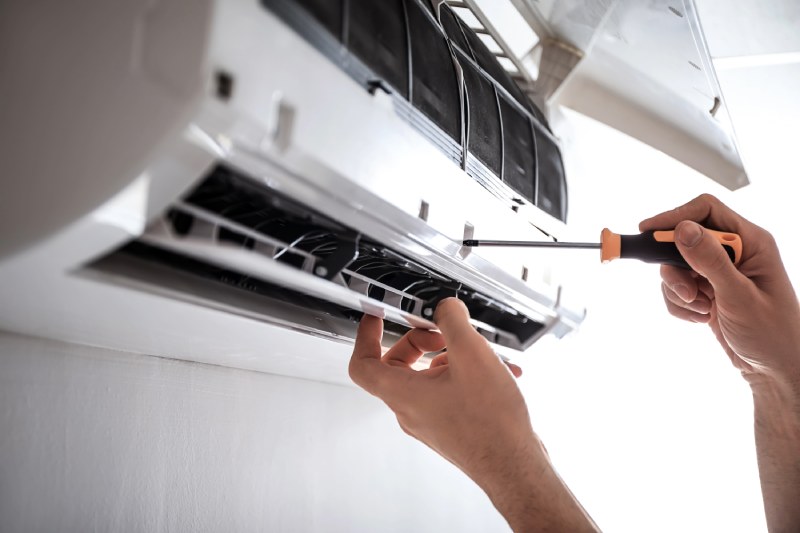
The right frequency depends on usage, the unit’s age, indoor air quality needs, and whether the system is ducted or split. A regular schedule helps protect efficiency, comfort, and reliability when temperatures spike.
How often should air conditioning be serviced in the Hills District?
For most homes, an annual service is enough. If they run air conditioning most days, have pets, live with allergies, or notice performance issues, a 6-month service cycle is often smarter.
Coastal air is not the only factor that wears systems down. Local dust, pollen, and long run times can load filters and coils quickly, which is why “once a year” is a baseline, not a guarantee.
What changes the ideal service schedule?
Usage is the biggest driver. A system used lightly may stay stable for a year, but one used for heating and cooling year-round often needs more attention.
Other factors include older units, poor airflow rooms, renovations creating dust, and homes with multiple occupants. In many cases, scheduling an air conditioning service Hills District becomes necessary sooner than planned. If they notice rising power bills, weaker airflow, or new noises, waiting for the calendar can be a mistake.
Do ducted and split systems need servicing at the same frequency?
They both benefit from yearly servicing, but ducted systems often justify shorter intervals. Ducted setups have more components that affect performance, including return air paths, zones, and ductwork conditions.
Split systems are simpler, but indoor heads can still clog and grow odours if filters and coils are neglected. If they rely on multiple splits throughout the home, the combined load can make 6-month checks worthwhile.
What are the signs they are overdue for a service?
Common signs include reduced cooling or heating, stale or musty smells, unusual noises, and rooms that no longer hold temperature. Ice on pipes, short cycling, or a unit that runs constantly are also red flags.
They may also notice higher electricity bills without a lifestyle change. These symptoms usually mean the system is working harder than it should, which increases wear and the risk of breakdown.
What does a proper air conditioning service usually include?
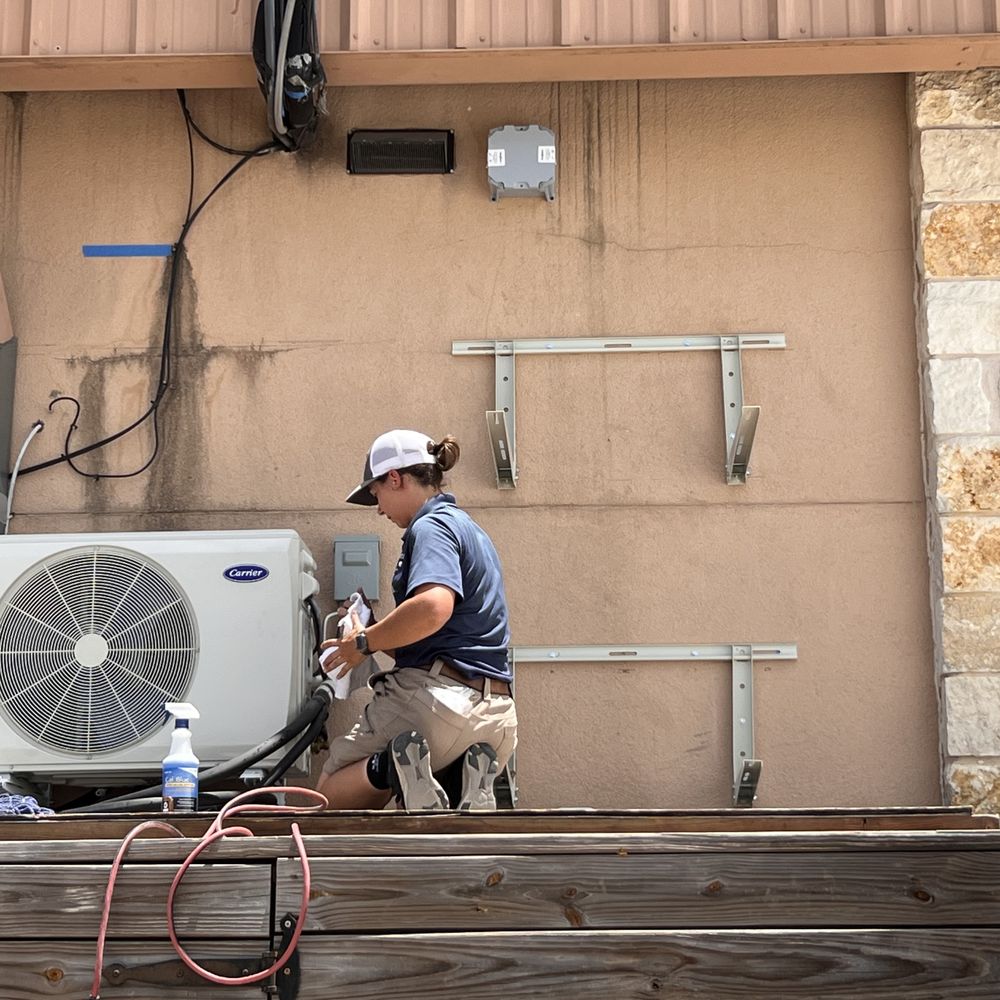
A proper service checks both performance and safety. It typically includes cleaning or inspecting filters, checking coils and drainage, testing electrical connections, and confirming airflow and temperature split.
For ducted systems, technicians may also review zones, inspect the indoor fan and drain, and check duct connections where accessible. Good servicing should focus on measurable outcomes, not just a quick wipe-down.
Is servicing different from cleaning, repairs, or a tune-up?
Servicing is preventative and performance-focused. Cleaning is only one part of it, while repairs fix a known fault, such as a failed capacitor or leaking drain.
A “tune-up” is often used as a marketing term, but it should still include the core checks that confirm the unit is operating efficiently. If they are only paying for a basic clean, they may miss early warning signs.
Can they skip servicing if the unit seems to work fine?
They can, but it is rarely cost-effective. Many issues start quietly, such as restricted airflow, dirty coils, or a slowly failing fan motor, and the first obvious symptom can be a breakdown on a very hot day.
Regular servicing helps keep efficiency steady. Even small efficiency losses matter when a unit runs for hours each day during peak summer.
How does regular servicing affect energy bills and efficiency?
Servicing helps the unit move air and transfer heat properly, which reduces run time. Clean filters and coils can make a noticeable difference, especially for systems that have been neglected.
When airflow is restricted, compressors and fans work harder. That increases energy use and heat stress on components, which can shorten the system’s life and lead to more frequent repairs.
Does servicing help the system last longer?
Yes, because it reduces strain. Systems that run with clogged filters, dirty coils, or poor drainage typically operate hotter and longer, which accelerates wear.
Regular checks can also catch small issues early, like loose electrical connections or failing capacitors. Fixing those early is usually cheaper than dealing with a major failure later.
What servicing schedule makes sense for different households?
A practical guide looks like this:
- Every 12 months: most homes with average use and no major air quality concerns.
- Every 6 months: heavy daily use, pets, allergy-sensitive households, and homes running heating and cooling year-round.
- Before summer: helpful for anyone who depends on air conditioning during heatwaves and wants maximum reliability.
If they are unsure, they can start with annual servicing and adjust based on filter condition, dust levels, and performance trends.
What should they ask an air conditioning service provider in the Hills District?
They should ask what the service includes, whether performance testing is done, and if the technician will check drainage and electrical safety. For ducted systems, they should ask if zone operation and airflow balance are reviewed.
It also helps to ask for before-and-after observations, such as temperature split readings or notes on coil condition. A clear report makes it easier to plan future maintenance and budget for upgrades.
What is the simplest answer to “How often is enough?”
Enough is “often enough to keep performance stable and prevent surprise failures.” For most Hills District homes, that means servicing every 12 months, moving to every 6 months when usage is heavy or conditions are dusty.
A consistent schedule is usually better than waiting for problems. When they maintain the system proactively, it tends to cost less, feel better, and break down less often.

FAQs (Frequently Asked Questions)
How often should air conditioning be serviced in the Hills District?
Most homes in the Hills District should have their air conditioning serviced every 12 months. However, homes with heavy daily use, pets, allergy concerns, or those running heating and cooling year-round may benefit from servicing every 6 months to maintain optimal performance.
What factors influence the ideal air conditioning service schedule?
The frequency of servicing depends on usage intensity, the unit’s age, indoor air quality needs, and system type (ducted or split). Additional factors include local dust and pollen levels, presence of pets, renovations causing dust, and signs like rising energy bills or reduced airflow.
Do ducted and split air conditioning systems require different service intervals?
Both ducted and split air conditioning systems require at least annual preventative maintenance to ensure sustained operational efficiency and system reliability. Ducted configurations typically demand more frequent inspections due to added system complexity, including duct networks, zoning components, and airflow balancing requirements. Homes with multiple split systems may also benefit from a six-month servicing cadence to maintain performance consistency and energy efficiency across all units. For ongoing asset protection and performance optimisation, refer to air conditioning preventive maintenance scheduling guidelines.
What are common signs that an air conditioning system is overdue for servicing?
Signs include reduced cooling or heating effectiveness, stale or musty odors, unusual noises, inconsistent room temperatures, ice formation on pipes, short cycling, constant running units, and unexplained increases in electricity bills indicating inefficiency.
What does a comprehensive air conditioning service typically involve?
A proper service includes cleaning or inspecting filters, checking coils and drainage systems, testing electrical connections, verifying airflow and temperature splits. For ducted systems, technicians also inspect zones, indoor fans, drains, and accessible duct connections to ensure safety and performance.
Is regular servicing important even if the air conditioning unit seems to work fine?
Yes. Many issues develop quietly without immediate symptoms. Regular servicing prevents efficiency losses by addressing problems like restricted airflow or dirty coils early on. This reduces the risk of unexpected breakdowns during extreme weather and helps maintain lower energy costs.