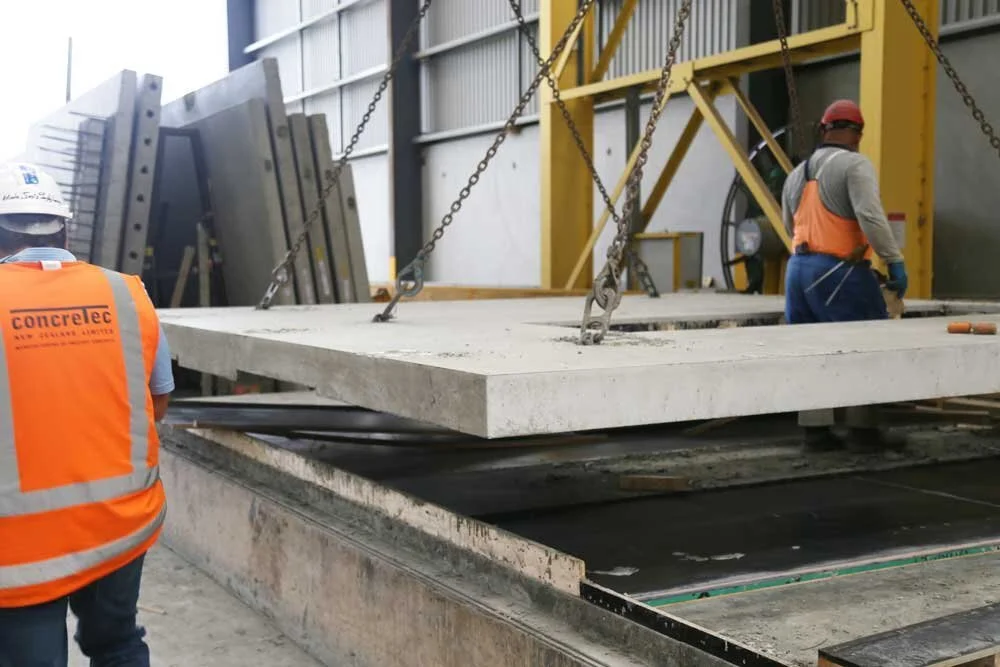
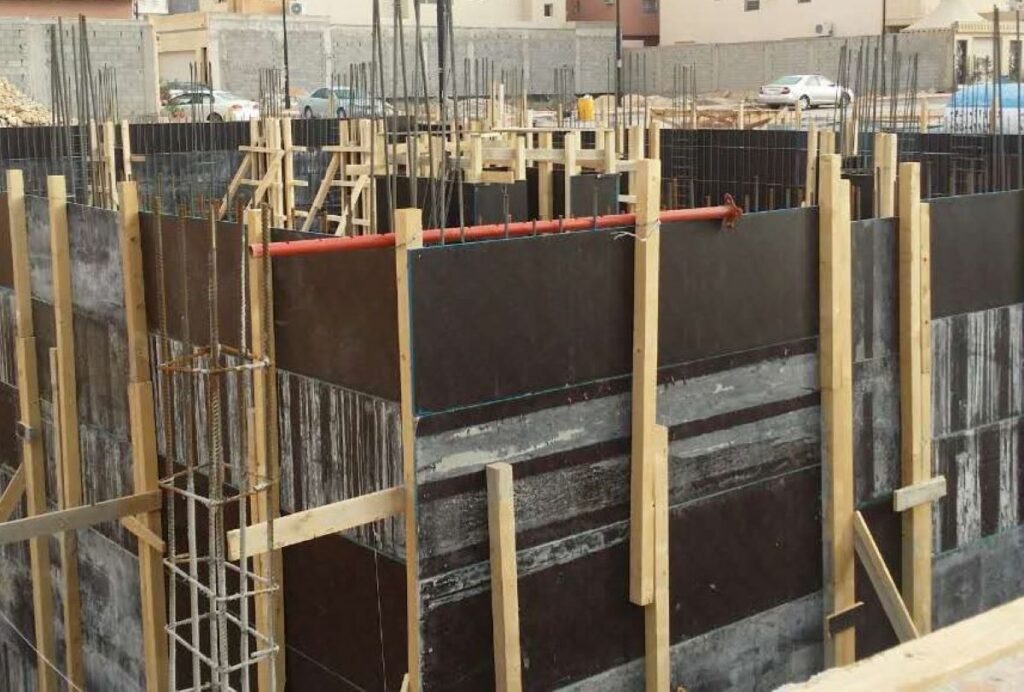
concrete form plywood

How to Choose the Right Concrete Form Plywood for Your Project

Below is a practical way to choose the right sheet without paying for performance they will not use.

What is concrete form plywood, and why does it matter?

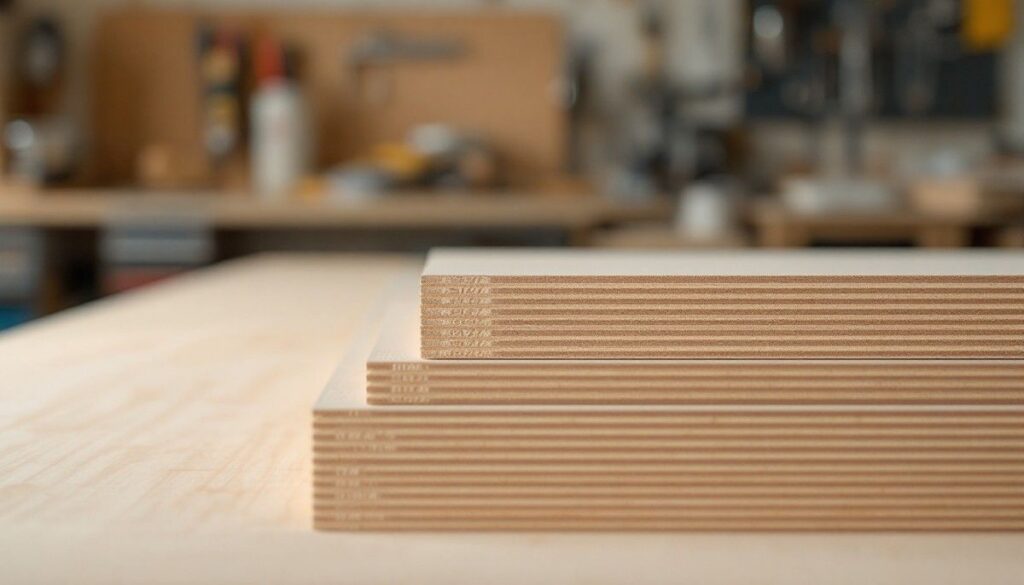
Concrete form plywood is a high-strength, moisture-resistant plywood designed to hold wet concrete while it cures. It matters because the sheet quality affects slab and wall finish, formwork safety, and how many times they can reuse panels without delamination, swelling, or excessive face damage.

A poor choice often shows up as blowouts, uneven surfaces, and higher replacement costs.

What finish do they need from the concrete?

They should choose the plywood face to match the finish specification on the pour. A smooth phenolic film face generally produces a cleaner, more uniform surface than standard exterior plywood, with fewer timber marks and less patching.

If the surface will be hidden, they can often prioritise durability over appearance. For architectural concrete, they should prioritise a high-quality film face and consistent panel condition.

How many reuses are they aiming for?

They should decide the target reuse count before selecting the sheet grade. Film-faced form plywood typically delivers more reuses than basic exterior or shuttering plywood, especially when handled correctly and released properly.

If they only need a few pours, a lower-cost option may be fine. If the same panels will cycle through many pours, higher-grade form ply usually costs less overall because it lasts longer and produces fewer defective finishes.”

Which plywood grade and standard should they look for?

They should look for panels clearly sold as formwork or shuttering plywood, with a specification that suits structural wet-use. In the UK, buyers often check for consistent manufacture and suitability for external exposure, alongside any declared performance certifications from the supplier.

They should avoid ungraded “general construction plywood” for repeated forming, as it often lacks the face durability and edge protection needed for wet concrete cycles.

What thickness should they choose?

They should match thickness to span, framing, and pour pressure rather than guessing. Common formwork thicknesses include 18 mm and 21 mm, with thicker panels generally resisting deflection better and holding a flatter face over repeated use.

If they underspecify thickness, the form can bow and print through to the concrete surface. If they overspecify, they may add cost and handling weight without a real benefit.

How important is the face film and resin quality?

They should treat face film quality as critical for clean release and reuse. A phenolic film face helps resist abrasion, moisture ingress, and cement paste sticking, which reduces cleaning time and face damage.

Better resin systems and tougher films typically mean slower wear at tie holes, corners, and high-pressure zones. If the face scratches easily or absorbs water quickly, reuse count and finish quality drop fast.
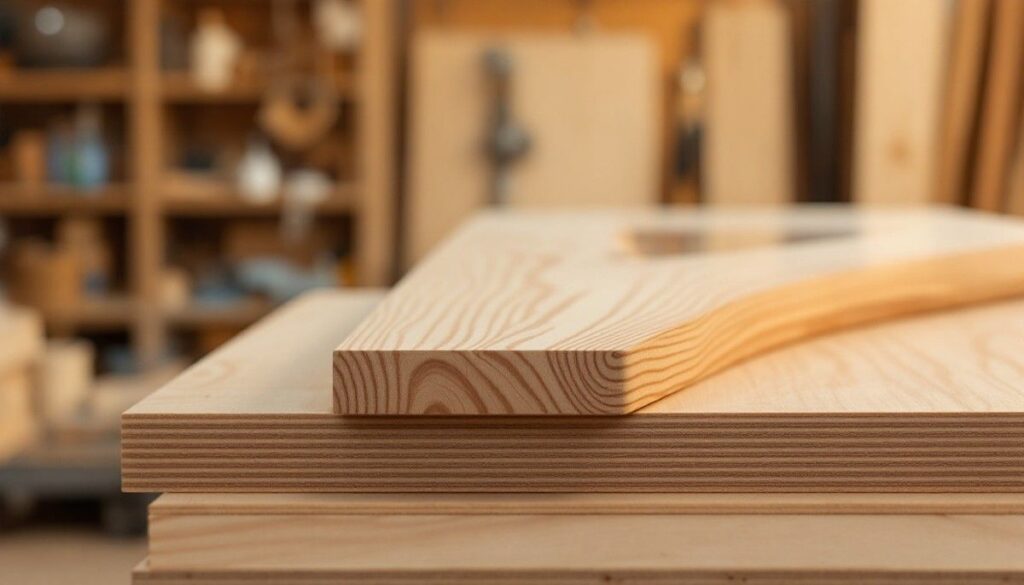
concrete form plywood

Do the edges need sealing, and how should they check it?

They should prefer panels with factory-sealed edges because edge absorption is a common failure point. Water entering the edge can cause swelling and ply separation, which then telegraphs into the face and reduces strength.

When inspecting sheets, they should look for continuous edge paint or sealant, no open gaps, and minimal void exposure. If edges are unsealed, they should seal them before first use.

How do they choose plywood for slabs versus walls and columns?

They should choose based on pressure and bracing demands. Walls and columns usually exert higher lateral pressure than slabs, so they often need stiffer panels, closer stud spacing, and stronger face durability, especially for repeated pours.

For slabs, flatness and deflection control matter most. For vertical work, impact resistance, tie-hole durability, and edge integrity tend to matter more because panels take more handling abuse.

What site conditions should change their choice?

They should upgrade the panel if the site is wet, cold, or involves aggressive cleaning practices. High moisture exposure, frequent rain, and poor storage accelerate edge swelling and face breakdown, so more durable film-faced panels with sealed edges pay off.

If they expect long cure times, high cement content mixes, or repeated pressure washing, they should select a tougher face and plan for careful release agent use.

How should they balance cost against performance?

They should compare cost per pour, not cost per sheet. A cheaper panel that fails after a few uses can cost more once labour, delays, surface repairs, and replacements are included.

A simple check is: expected reuses multiplied by acceptable finish quality. If they need consistent results over many cycles, mid to high-grade form ply often wins, even if the upfront price is higher.

What practical checks should they do before buying?

They should inspect sheets for flatness, face consistency, and damage before committing to a batch. Useful checks include straightness along the length, uniform film surface, clean edges, and minimal patches or repairs on the face.

They should also confirm the supplier’s stated thickness tolerance, panel weight consistency, and whether the product is intended for formwork reuse. If the supplier cannot answer reuse or exposure questions clearly, they should shop elsewhere.

What handling steps help the plywood last longer?

They should store panels flat, off the ground, and covered, and they should avoid leaving them wet between uses. Proper release agent use, careful stripping, and prompt cleaning protect the film and reduce face tearing.

They should also repair damaged edges, avoid dragging sheets, and rotate panels so wear is distributed. Most form ply “fails early” because of handling, not because the original sheet was wrong. Check out more about storage and handling of sheet materials.
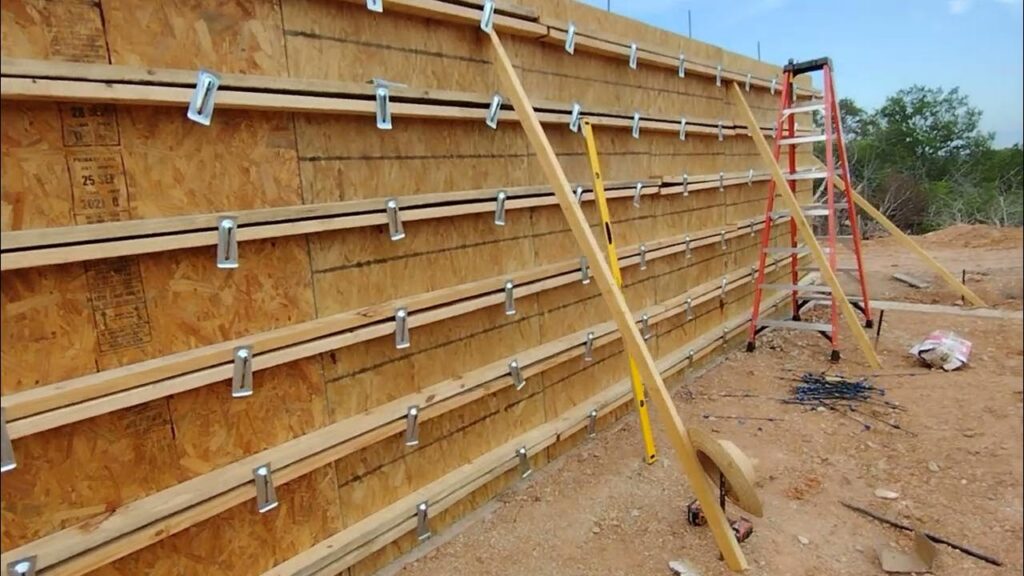
concrete form plywood

How can they make the final decision quickly?

They should pick the sheet that matches the finish requirement and the reuse target, then size thickness to the framing and pour pressure. For most repeated forming, film-faced, sealed-edge form ply in a suitable thickness is the safe default.

If they want a simple rule: choose durability for wet sites and many cycles, and choose basic shuttering ply only when they truly need a small number of pours and can accept more surface variation.

More to Read : What Is Formwork Plywood and How Is It Used in Construction?

FAQs (Frequently Asked Questions)

What is concrete form plywood and why is it important for construction projects?

Concrete form plywood is a high-strength, moisture-resistant plywood specifically designed to hold wet concrete while it cures. Its quality directly affects the slab and wall finish, the safety of the formwork, and the number of times panels can be reused without issues like delamination or swelling. Choosing the right plywood prevents problems such as blowouts, uneven surfaces, and excessive replacement costs.

How do I choose the right plywood finish for my concrete project?

Select the plywood face based on the finish required from the concrete pour. For a smooth, uniform surface with fewer timber marks, opt for a smooth phenolic film face. If the concrete surface will be hidden, prioritise durability over appearance. For architectural or exposed concrete, choose high-quality film-faced plywood with consistent panel condition to ensure a superior finish.

How many times can concrete form plywood be reused effectively?

The target reuse count should guide your choice of sheet grade. Film-faced form plywood typically allows more reuses than basic exterior or shuttering plywood when handled correctly and released properly. If only a few pours are needed, lower-cost options suffice; however, for multiple cycles, higher-grade form ply offers better value by lasting longer and reducing defective finishes.

What thickness of concrete form plywood should I select?

Choose thickness based on span, framing support, and pour pressure rather than guesswork. Common thicknesses include 18 mm and 21 mm; thicker panels resist deflection better and maintain a flatter face over repeated use. Underspecifying thickness can cause bowing and surface imperfections in concrete; overspecifying adds unnecessary cost and weight without benefit.

Why is sealing the edges of formwork plywood important?

Edges are vulnerable to water absorption which leads to swelling, ply separation, and reduced strength that can affect the concrete surface finish. Factory-sealed edges prevent moisture ingress effectively. When inspecting sheets, look for continuous edge paint or sealant with no gaps or voids. If edges are unsealed, seal them before first use to prolong panel life.

How should site conditions influence my choice of concrete form plywood?

Adverse site conditions like wet weather, cold temperatures, or aggressive cleaning accelerate edge swelling and face degradation. In such environments, upgrading to more durable film-faced panels with sealed edges is beneficial. For long cure times or high cement mixes, select tougher face films and plan careful release agent application to maintain panel integrity over multiple uses.
formwork plywood

What Is Formwork Plywood and How Is It Used in Construction?

It is most common on slabs, walls, columns, beams, stairs, and other reinforced concrete elements where consistent formwork matters.

What is formwork plywood?

Formwork plywood is a structural panel made from bonded wood veneers, built to resist moisture, pressure, and site wear. Panels made with exterior-grade glue (often phenolic) are typically chosen so the board does not delaminate when exposed to wet concrete and repeated cleaning.

Many products are film-faced, meaning a resin-impregnated paper film is bonded to the surface to improve water resistance and leave a smoother concrete finish.

How is formwork plywood different from standard plywood?

Formwork plywood is made for repeated contact with wet concrete and high loads, while standard plywood is usually made for dry internal use or general-purpose sheathing. Formwork boards are also expected to have tighter thickness tolerance, better face durability, and stronger bonding.

In practice, standard plywood can swell, mark the concrete, or fail early, especially if edges are unsealed and panels are reused.

What types of formwork plywood are commonly used?

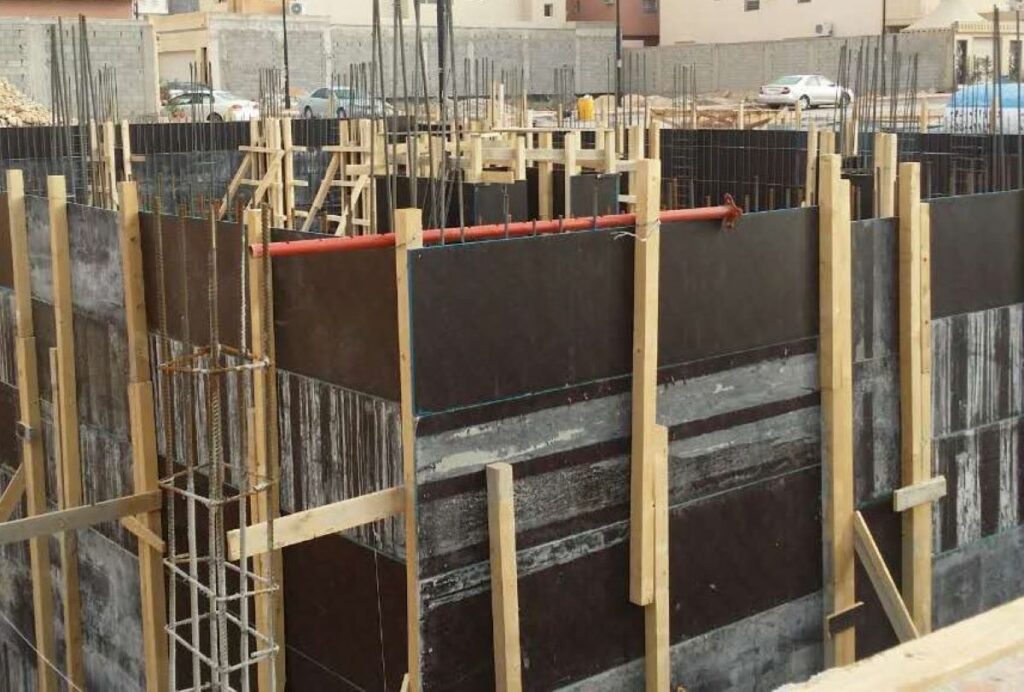
The most common type is film-faced formwork plywood, often with a dark brown or black surface film. It is used for a smoother finish and easier release, particularly on walls and soffits.

Non-film-faced structural plywood may also be used where a rougher finish is acceptable or where the surface will be rendered, plastered, or otherwise covered later.

What sizes and thicknesses do contractors typically choose?

Many sites use 2440 mm x 1220 mm sheets because they suit common formwork grids and are easy to plan around. Thickness choice depends on span, support spacing, and concrete pressure.

Typical thicknesses include 12 mm, 15 mm, 18 mm, and 21 mm. Thicker panels generally mean less deflection, but they also weigh more and cost more.

How is formwork plywood used in concrete works?

They cut panels to suit the formwork layout, fix them to timber or metal frames, and brace the system to resist wet concrete pressure. Once poured, the plywood acts as the face that gives the concrete its shape and surface texture.

After curing reaches the required strength, they strip the formwork, clean the panels, and reuse them where the faces and edges remain sound.

Why do builders use film-faced plywood for formwork?

They use film-faced plywood because the film reduces water absorption and helps prevent cement paste from bonding to the wood. That makes striking easier and can improve the concrete’s visual finish by reducing grain marks and patchy colour.

It also speeds up turnaround because cleaning is usually simpler when release agents are applied correctly.

What loads and pressures must formwork plywood withstand?

Fresh concrete behaves like a heavy fluid, creating lateral pressure on vertical forms and bending loads on horizontal decks. The plywood must resist deflection to avoid bulges, steps at joints, and uneven slab soffits.

They manage performance through correct panel thickness, proper joist spacing, adequate bracing, and reliable fasteners, not by relying on plywood alone.

How do they install and fix formwork plywood properly?

They install panels with tight joints, consistent support under edges, and sufficient bearers under the sheet to control deflection. They also align face grain direction and support spacing with the manufacturer’s guidance to avoid sagging.

Fixings should be planned so panels can be removed without tearing the face film. They commonly pre-drill near edges to reduce splitting and keep fastener patterns consistent for predictable stripping.

formwork plywood

How do they prevent concrete from sticking to the plywood?

They apply a suitable formwork release agent in a thin, even coat before pouring. Too much release agent can stain concrete or cause surface defects, while too little can lead to sticking and damaged faces.

They also protect the panels from standing water and avoid pouring onto dirty faces, because grit and hardened paste can lock the panel to the concrete.

How many times can formwork plywood be reused?

Reuse depends on the panel quality, the type of pour, stripping method, and how well they clean and store sheets. Higher-grade film-faced panels can often be reused many times on well-managed jobs, while low-grade panels may fail after only a few cycles.

Edge sealing, careful handling, and proper cleaning usually matter more than people expect, because most early failures start at the edges.

What maintenance and storage practices extend its lifespan?

They clean panels soon after striking, using plastic scrapers and water where appropriate, and avoid aggressive tools that cut the film. They reseal damaged edges and repair minor face damage to prevent water ingress.

They store sheets flat on level bearers, protected from rain and direct sun, and keep them off the ground to reduce warping and contamination. Read more about construction systems.

What mistakes commonly cause formwork plywood to fail early?

One common issue is poor support spacing, which leads to excessive deflection and permanent bending. Another is unsealed edges, which lets water in and causes swelling, delamination, and soft corners.

They also shorten lifespan by dragging sheets, striking too early, prying against corners, or leaving concrete residue to harden on the face.

Is formwork plywood safe and compliant for structural use?

Formwork systems must be designed and checked for the loads involved, and the plywood should be fit for purpose rather than chosen on price alone. They usually rely on product documentation such as declared panel properties, glue class, and any structural grading relevant to the application.

On higher-risk pours, they follow engineered formwork designs and site inspections because failure can be sudden and dangerous.

formwork plywood

When should they choose alternatives to formwork plywood?

They may choose steel, aluminium, or plastic formwork systems when repetition is high and speed is critical, such as multi-storey cores and large housing developments. Those systems often give consistent results, longer service life, and faster cycling, but can be costly upfront.

They may also prefer permanent formwork solutions where stripping is difficult, or where the formwork becomes part of the finished build-up.

How should they choose the right formwork plywood for a job?

They choose based on concrete finish requirements, expected number of reuses, panel thickness needs, and site conditions like weather exposure and handling constraints. They also check that the panel bonding and face durability match wet-concrete use, not just general construction.

If the job needs a cleaner architectural finish, they typically prioritise film-faced quality and joint planning. If the surface will be covered, they may prioritise strength and cost over appearance.

Related : How to Choose the Right Concrete Form Plywood for Your Project

FAQs (Frequently Asked Questions)

What is formwork plywood and why is it used in concrete construction?

Formwork plywood is a tough, film-faced plywood designed to shape and support wet concrete until it gains enough strength. It is used because it produces clean concrete surfaces, speeds up pouring processes, and can be reused multiple times when handled correctly.

How does formwork plywood differ from standard plywood?

Formwork plywood is specifically made to withstand repeated contact with wet concrete, moisture, pressure, and site wear. It features tighter thickness tolerances, stronger bonding with exterior-grade glue (often phenolic), and a durable film-faced surface to resist water absorption and prevent delamination. Standard plywood is generally for dry internal use or general sheathing and lacks these specialised properties.

What are the common types and sizes of formwork plywood used on construction sites?

The most common type is film-faced formwork plywood with a dark brown or black resin-impregnated surface film for smooth finishes and easier release. Sizes typically are 2440 mm x 1220 mm sheets, which fit common formwork grids. Thicknesses vary based on application but commonly include 12 mm, 15 mm, 18 mm, and 21 mm panels.

How is formwork plywood installed and maintained to ensure longevity?

Panels are cut to suit the layout, fixed tightly to timber or metal frames with consistent support under edges, and braced properly to resist concrete pressure. Maintenance includes cleaning panels soon after striking using plastic scrapers and water, resealing damaged edges, storing sheets flat off the ground protected from rain and sun, and applying formwork release agents before pouring to prevent concrete sticking.

What factors affect the reuse potential of formwork plywood?

Reuse depends on panel quality, type of pour, stripping methods, cleaning practices, and storage conditions. Higher-grade film-faced panels can be reused many times if edges are sealed properly and handling is careful. Early failures often start at unsealed edges due to water ingress causing swelling or delamination.

When should alternatives to formwork plywood be considered in construction projects?

Alternatives such as steel, aluminium or plastic formwork systems may be chosen when high repetition of pours is expected or where engineered designs require materials with different performance characteristics. The choice depends on project needs including durability, cost-effectiveness over multiple uses, ease of cleaning, and structural requirements.