
How to Choose the Right Concrete Form Plywood for Your Project
Below is a practical way to choose the right sheet without paying for performance they will not use.
What is concrete form plywood, and why does it matter?
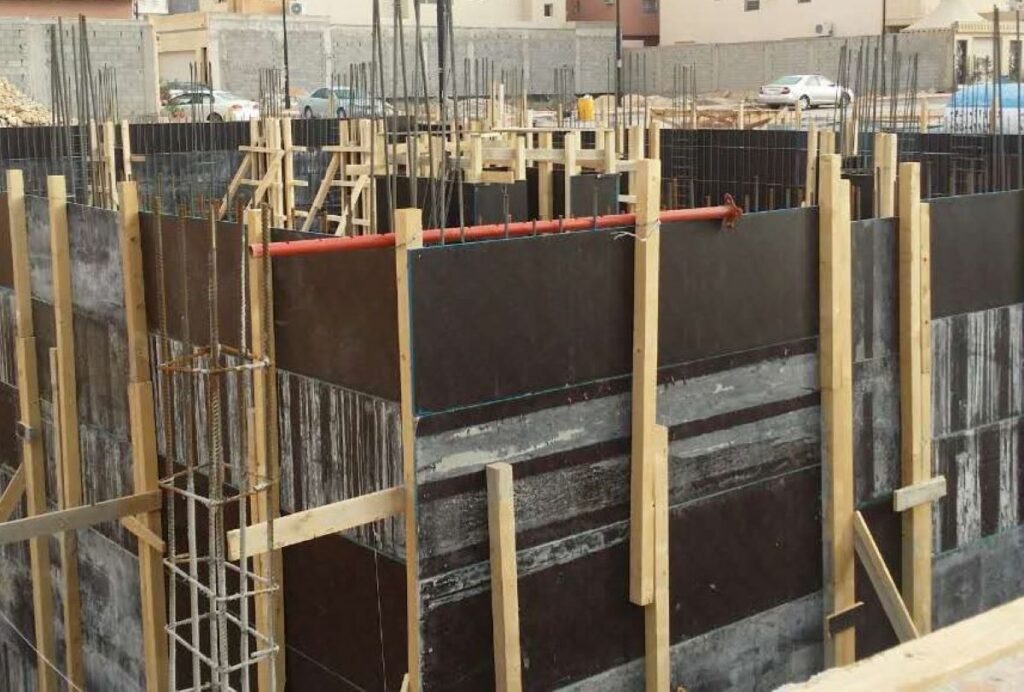
Concrete form plywood is a high-strength, moisture-resistant plywood designed to hold wet concrete while it cures. It matters because the sheet quality affects slab and wall finish, formwork safety, and how many times they can reuse panels without delamination, swelling, or excessive face damage.
A poor choice often shows up as blowouts, uneven surfaces, and higher replacement costs.
What finish do they need from the concrete?
They should choose the plywood face to match the finish specification on the pour. A smooth phenolic film face generally produces a cleaner, more uniform surface than standard exterior plywood, with fewer timber marks and less patching.
If the surface will be hidden, they can often prioritise durability over appearance. For architectural concrete, they should prioritise a high-quality film face and consistent panel condition.
How many reuses are they aiming for?
They should decide the target reuse count before selecting the sheet grade. Film-faced form plywood typically delivers more reuses than basic exterior or shuttering plywood, especially when handled correctly and released properly.
If they only need a few pours, a lower-cost option may be fine. If the same panels will cycle through many pours, higher-grade form ply usually costs less overall because it lasts longer and produces fewer defective finishes.”
Which plywood grade and standard should they look for?
They should look for panels clearly sold as formwork or shuttering plywood, with a specification that suits structural wet-use. In the UK, buyers often check for consistent manufacture and suitability for external exposure, alongside any declared performance certifications from the supplier.
They should avoid ungraded “general construction plywood” for repeated forming, as it often lacks the face durability and edge protection needed for wet concrete cycles.
What thickness should they choose?
They should match thickness to span, framing, and pour pressure rather than guessing. Common formwork thicknesses include 18 mm and 21 mm, with thicker panels generally resisting deflection better and holding a flatter face over repeated use.
If they underspecify thickness, the form can bow and print through to the concrete surface. If they overspecify, they may add cost and handling weight without a real benefit.
How important is the face film and resin quality?
They should treat face film quality as critical for clean release and reuse. A phenolic film face helps resist abrasion, moisture ingress, and cement paste sticking, which reduces cleaning time and face damage.
Better resin systems and tougher films typically mean slower wear at tie holes, corners, and high-pressure zones. If the face scratches easily or absorbs water quickly, reuse count and finish quality drop fast.
Do the edges need sealing, and how should they check it?
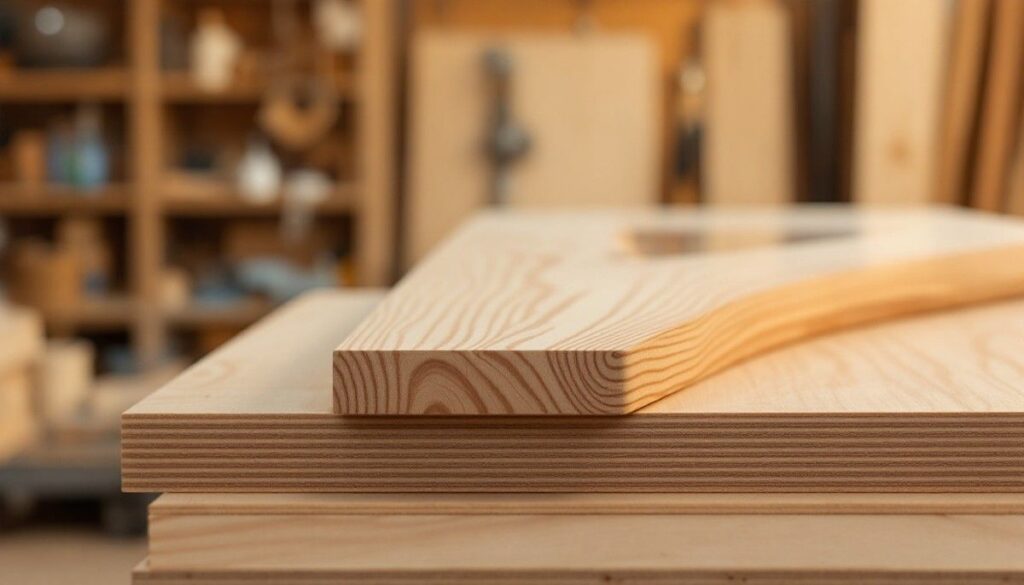
They should prefer panels with factory-sealed edges because edge absorption is a common failure point. Water entering the edge can cause swelling and ply separation, which then telegraphs into the face and reduces strength.
When inspecting sheets, they should look for continuous edge paint or sealant, no open gaps, and minimal void exposure. If edges are unsealed, they should seal them before first use.
How do they choose plywood for slabs versus walls and columns?
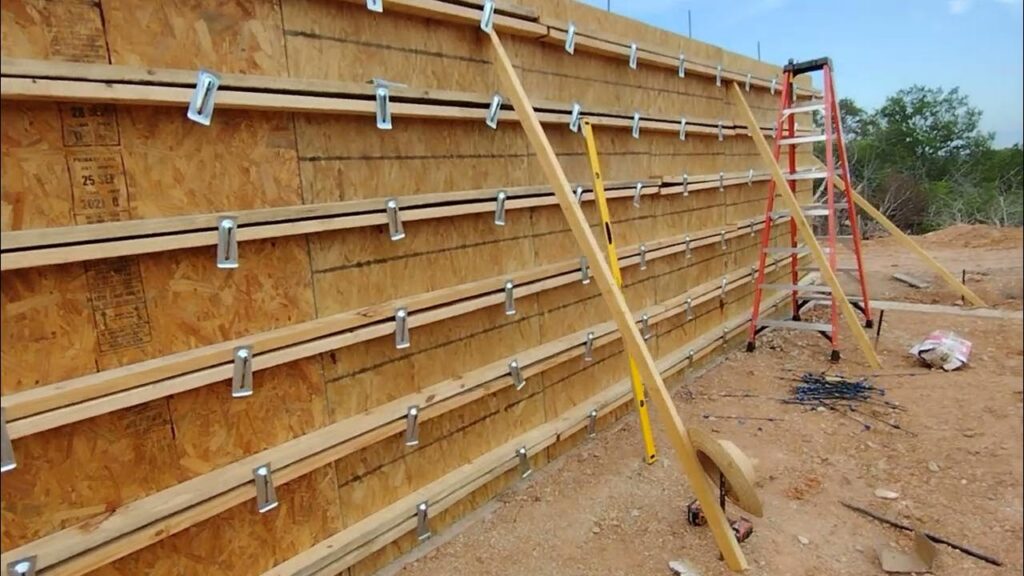
They should choose based on pressure and bracing demands. Walls and columns usually exert higher lateral pressure than slabs, so they often need stiffer panels, closer stud spacing, and stronger face durability, especially for repeated pours.
For slabs, flatness and deflection control matter most. For vertical work, impact resistance, tie-hole durability, and edge integrity tend to matter more because panels take more handling abuse.
What site conditions should change their choice?
They should upgrade the panel if the site is wet, cold, or involves aggressive cleaning practices. High moisture exposure, frequent rain, and poor storage accelerate edge swelling and face breakdown, so more durable film-faced panels with sealed edges pay off.
If they expect long cure times, high cement content mixes, or repeated pressure washing, they should select a tougher face and plan for careful release agent use.
How should they balance cost against performance?
They should compare cost per pour, not cost per sheet. A cheaper panel that fails after a few uses can cost more once labour, delays, surface repairs, and replacements are included.
A simple check is: expected reuses multiplied by acceptable finish quality. If they need consistent results over many cycles, mid to high-grade form ply often wins, even if the upfront price is higher.
What practical checks should they do before buying?
They should inspect sheets for flatness, face consistency, and damage before committing to a batch. Useful checks include straightness along the length, uniform film surface, clean edges, and minimal patches or repairs on the face.
They should also confirm the supplier’s stated thickness tolerance, panel weight consistency, and whether the product is intended for formwork reuse. If the supplier cannot answer reuse or exposure questions clearly, they should shop elsewhere.
What handling steps help the plywood last longer?
They should store panels flat, off the ground, and covered, and they should avoid leaving them wet between uses. Proper release agent use, careful stripping, and prompt cleaning protect the film and reduce face tearing.
They should also repair damaged edges, avoid dragging sheets, and rotate panels so wear is distributed. Most form ply “fails early” because of handling, not because the original sheet was wrong. Check out more about storage and handling of sheet materials.
How can they make the final decision quickly?
They should pick the sheet that matches the finish requirement and the reuse target, then size thickness to the framing and pour pressure. For most repeated forming, film-faced, sealed-edge form ply in a suitable thickness is the safe default.
If they want a simple rule: choose durability for wet sites and many cycles, and choose basic shuttering ply only when they truly need a small number of pours and can accept more surface variation.
More to Read : What Is Formwork Plywood and How Is It Used in Construction?
FAQs (Frequently Asked Questions)
What is concrete form plywood and why is it important for construction projects?
Concrete form plywood is a high-strength, moisture-resistant plywood specifically designed to hold wet concrete while it cures. Its quality directly affects the slab and wall finish, the safety of the formwork, and the number of times panels can be reused without issues like delamination or swelling. Choosing the right plywood prevents problems such as blowouts, uneven surfaces, and excessive replacement costs.
How do I choose the right plywood finish for my concrete project?
Select the plywood face based on the finish required from the concrete pour. For a smooth, uniform surface with fewer timber marks, opt for a smooth phenolic film face. If the concrete surface will be hidden, prioritise durability over appearance. For architectural or exposed concrete, choose high-quality film-faced plywood with consistent panel condition to ensure a superior finish.
How many times can concrete form plywood be reused effectively?
The target reuse count should guide your choice of sheet grade. Film-faced form plywood typically allows more reuses than basic exterior or shuttering plywood when handled correctly and released properly. If only a few pours are needed, lower-cost options suffice; however, for multiple cycles, higher-grade form ply offers better value by lasting longer and reducing defective finishes.
What thickness of concrete form plywood should I select?
Choose thickness based on span, framing support, and pour pressure rather than guesswork. Common thicknesses include 18 mm and 21 mm; thicker panels resist deflection better and maintain a flatter face over repeated use. Underspecifying thickness can cause bowing and surface imperfections in concrete; overspecifying adds unnecessary cost and weight without benefit.
Why is sealing the edges of formwork plywood important?
Edges are vulnerable to water absorption which leads to swelling, ply separation, and reduced strength that can affect the concrete surface finish. Factory-sealed edges prevent moisture ingress effectively. When inspecting sheets, look for continuous edge paint or sealant with no gaps or voids. If edges are unsealed, seal them before first use to prolong panel life.
How should site conditions influence my choice of concrete form plywood?
Adverse site conditions like wet weather, cold temperatures, or aggressive cleaning accelerate edge swelling and face degradation. In such environments, upgrading to more durable film-faced panels with sealed edges is beneficial. For long cure times or high cement mixes, select tougher face films and plan careful release agent application to maintain panel integrity over multiple uses.