
Which Documents Should You Gather Before a DHOAS Application?
This guide explains what to gather before a DHOAS application, based on what lenders and administrators typically ask for in Australia.
What is the minimum set of documents they should have ready?
They should prepare documents that confirm who they are, their ADF service and DHOAS eligibility, their financial position, and the proposed loan. In practice, that means ID, service records, payslips, bank statements, and a loan offer or pre-approval.
Having these ready before a DHOAS application helps avoid back-and-forth requests and delays when time is tight around a contract or settlement.
Which identification documents are usually required?
They will usually need standard Australian identification, plus evidence of current residential address. A clear, current set of ID reduces the chance of mismatched names or expiry issues.
Commonly used options include:
- Australian passport or Australian birth certificate
- Driver licence (state or territory)
- Medicare card
- Proof of address such as a utility bill, rates notice, or rental ledger
They should ensure names match across documents, including middle names and any hyphenated surnames, before a DHOAS application is submitted.
What ADF service documents should they gather for eligibility?
They should gather documents that support their service history and status, because eligibility hinges on recognised service and correct personal details. If anything is inconsistent, it can slow the assessment.
Useful documents to locate include:
- Service record or service history extracts
- Posting history (if relevant to explaining gaps or location)
- Discharge or separation documentation, if they are no longer serving
- Any official correspondence about service category or status changes
They should keep PDF scans ready, as many lenders and administrators will request uploads during a DHOAS application process.
Do they need DHOAS-specific paperwork or certificates?
Yes, they should be ready for DHOAS-specific forms or confirmations that link the person to their subsidy tier and rules. The exact form names can vary depending on the process path and lender.
They should expect requests for:
- The DHOAS application form(s) and declarations
- Evidence or confirmation of subsidy entitlement level, when issued
- Any authority or consent forms allowing checks or information sharing
When they plan ahead for these items, their DHOAS application is less likely to stall waiting for signatures.
Which income documents will lenders ask for?
They should prepare income evidence that shows stable earnings and supports borrowing capacity. Lenders typically want recent documents, not older snapshots.
They should gather:
- Recent payslips (often the latest two)
- Payment summaries or PAYG income statements (if available)
- Employment confirmation details, if requested by the lender
- If they have variable pay, evidence of allowances, overtime, or bonuses
If they are using ADF allowances as part of servicing, they should keep clear payslip lines visible, since it can matter during a DHOAS application and loan assessment.
What bank statements and savings evidence should they collect?
They should collect statements that show genuine savings, day-to-day spending, and the source of any deposit. Most lenders want complete statements, not screenshots.
They should prepare:
- Transaction account statements (commonly 3 months)
- Savings account statements (commonly 3 to 6 months)
- Evidence of term deposits or offset balances
- Evidence of gifts, if deposit funds include family assistance
Clear statements are especially useful before a DHOAS application, because lenders often review expenses line by line.
Which documents prove the deposit and the source of funds?
They should be ready to show where the deposit came from, and that the funds are legitimate and accessible in Australia. This is a standard part of responsible lending checks.
Helpful evidence includes:
- Savings history showing gradual accumulation
- Sale contract and settlement statement from a previous property sale
- Gift letter plus the giver’s bank statement and the transfer trail
- Superannuation release paperwork, if applicable (rare and strict)
A clean paper trail can prevent extra questions during a DHOAS application and help keep finance approval on schedule.
What liability documents should they prepare for debts and commitments?
They should gather documents for all existing liabilities, even if they seem small. Lenders assess ongoing commitments such as credit limits and repayment obligations.
They should collect:
- Credit card statements showing limits
- Personal loan statements
- Car finance contracts
- HELP/HECS details if it affects payslips
- Buy now pay later statements, if used regularly
If there are debts they plan to close before settlement, they should keep payout figures or closure letters ready for the DHOAS application file.
What property documents are needed if they are buying?
They should gather property documents that show what they are purchasing and under what terms. These documents often arrive progressively, but it helps to chase them early.
They may need:
- Contract of sale (signed, with special conditions)
- Section 32/Vendor Statement (commonly VIC) or equivalent disclosures
- Deposit receipt
- Agent details and conveyancer or solicitor details
- Building and pest reports, if obtained
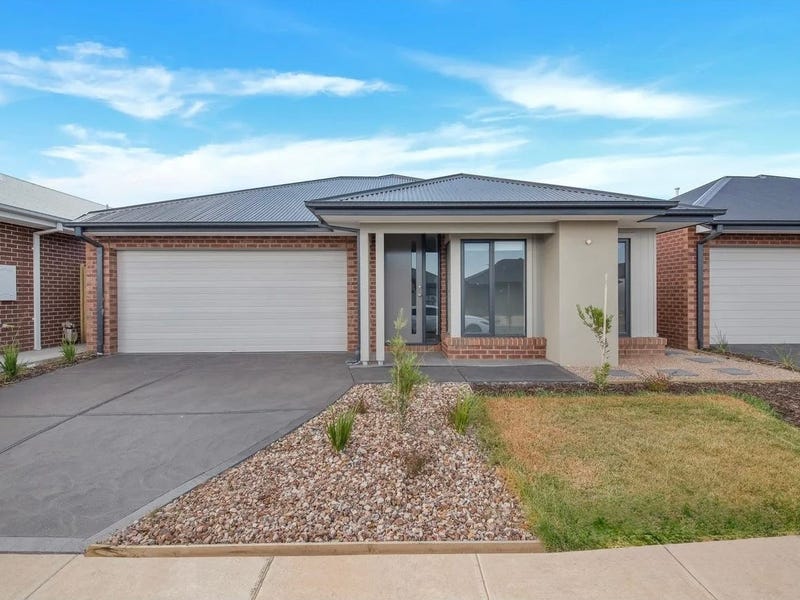
If the timeline is tight, avoiding DHOAS calculation mistakes and having the contract ready before a DHOAS application reaches final approval can make a real difference.
What extra documents are needed if they are building or buying off the plan?
They should prepare additional documents because construction and off-the-plan purchases carry more moving parts. Lenders often ask for detailed costings and progress payment schedules.
They may need:
- Fixed-price building contract
- Council-approved plans or specifications (where available)
- Progress payment schedule
- Builder’s licence details and insurance certificates
- Evidence of land contract if land is purchased separately
Construction files can be document-heavy, so they should start compiling early for a smoother DHOAS application.
What loan documents should they collect from the lender or broker?
They should keep a complete set of finance documents, especially if they are working with a broker. Having the latest versions prevents confusion when details change during negotiations.
They should gather:
- Loan pre-approval or conditional approval letter
- Loan schedule or quote showing product and rate type
- Fees and features summary, including offset and redraw
- Any lender checklists or requested supporting forms
These documents anchor the financial side of a DHOAS application, especially when the subsidy needs to match the correct loan structure.
What documents help if they are refinancing under DHOAS?
They should be ready to show the current loan and the reason for refinancing, plus the property details and current repayments. Refinancing can be straightforward, but it still requires full verification.
They should gather:
- Current home loan statements (often 6 months)
- Current interest rate and loan product details
- Payout figure from the existing lender
- Council rates notice and home insurance certificate
- Evidence of the property value (valuation is usually arranged by the lender)
A tidy refinance pack helps align the new loan and subsidy settings before a DHOAS application is finalised.
What insurance and ongoing cost documents might be requested?
They may be asked to show they can maintain the property and meet ongoing costs. Some lenders request evidence of insurance before settlement, and they often review living expenses.
They should keep:
- Home building insurance quote or certificate (when required)
- Council rates notice (if owned)
- Strata levies notice (if applicable)
- Childcare, private school, or ongoing medical expense evidence if significant
Clear expense evidence supports serviceability and can reduce follow-up during a DHOAS application review.
How should they handle documents for partners, co-borrowers, or guarantors?
They should gather a full set of documents for every person on the loan, because lenders assess all applicants. If someone is a guarantor, lenders usually need extra verification.
They should prepare for each person:
- ID and address proof
- Payslips and income evidence
- Bank statements
- Existing liabilities evidence
Where a guarantor is involved, they should also expect property ownership evidence and potentially legal advice acknowledgements, which can affect timing for a DHOAS application and loan approval.
What common document mistakes slow things down?
They can avoid many delays by checking documents before uploading or emailing them. Most issues come from missing pages, unclear scans, or inconsistent personal details.
Common problems include:
- Cropped statements that hide the account holder name or BSB
- Screenshots instead of full PDF statements
- Expired ID or unreadable scans
- Different names across payslips, ID, and bank accounts
- Unexplained large deposits with no paper trail
Fixing these early helps prevent pause points in a DHOAS application process.
How should they organise and submit everything cleanly?
They should organise documents into clearly named files and folders so lenders can assess quickly. A simple structure reduces rework if a broker, conveyancer, and lender are all involved.
A practical approach is:
- Use one folder per category: ID, income, statements, liabilities, property, loan
- Name files with date ranges, for example “BankStatement_Everyday_Jan-Mar_2026.pdf”
- Keep the latest version only, and archive older versions separately
- Provide brief notes for unusual items, like “Large deposit from car sale, receipt attached”
Good organisation can make a DHOAS application feel far less stressful, especially when deadlines are real.
What final checklist should they run through before lodging?
They should confirm they have current versions of every key item and that the story matches across documents. If the paperwork aligns, the application stage is usually faster.

They should check:
- ID is current and names match everywhere
- Income documents reflect stable pay and allowances clearly
- Statements are complete PDFs with all pages
- Deposit source is explainable with evidence
- Liabilities are fully disclosed
- Contract or build paperwork is signed and legible
- Loan details match what they intend to proceed with
With that final check done, they can lodge their DHOAS application with fewer surprises and a much smoother path to approval.
FAQs (Frequently Asked Questions)
What is the minimum set of documents needed before a DHOAS application?
Before a DHOAS application, applicants should prepare documents that confirm their identity, ADF service and eligibility, financial position, and details of the proposed loan. This typically includes identification documents, service records, recent payslips, bank statements, and a loan offer or pre-approval to avoid delays.
Which identification documents are usually required for a DHOAS application?
Applicants usually need standard Australian identification plus evidence of current residential address. Commonly accepted documents include an Australian passport or birth certificate, driver licence (state or territory), Medicare card, and proof of address such as a utility bill or rates notice. Names should match across all documents.
What ADF service documents should be gathered to prove eligibility for DHOAS?
Applicants should collect service records or extracts, posting history if relevant, discharge or separation paperwork if no longer serving, and any official correspondence regarding service category or status changes. Keeping PDF scans ready facilitates upload during the application process.
What income documents do lenders typically require for a DHOAS loan assessment?
Lenders generally ask for recent income evidence including the latest two payslips, payment summaries or PAYG income statements if available, employment confirmation details if requested, and documentation of allowances, overtime, or bonuses especially if using ADF allowances in loan servicing.
Which bank statements and savings evidence should be prepared before applying for DHOAS?
Applicants should collect transaction account statements (commonly 3 months), savings account statements (3 to 6 months), evidence of term deposits or offset balances, and proof of any gifted funds. Complete bank statements help lenders review expenses line by line during assessment.
What property-related documents are necessary when buying with a DHOAS loan?
Essential property documents include the signed contract of sale with any special conditions, Section 32/Vendor Statement or equivalent disclosures (depending on state), deposit receipt, agent details, conveyancer or solicitor information, and building and pest reports if obtained. Having these ready can expedite final approval.
<script type="application/ld+json">
{
  "@context": "https://schema.org",
  "@type": "BlogPosting",
  "mainEntityOfPage": {
    "@type": "WebPage",
    "@id": "https://gbconstructioninc.com/which-documents-should-you-gather-before-a-dhoas-application/"
  },
  "headline": "Which Documents Should You Gather Before a DHOAS Application?",
  "image": [
    "https://gbconstructioninc.com/wp-content/uploads/2026/08/image-58.jpg",
    "https://gbconstructioninc.com/wp-content/uploads/2026/08/main-36.jpg",
    "https://gbconstructioninc.com/wp-content/uploads/2026/08/image-59.jpg"
  ],
  "author": {
    "@type": "",
    "name": "Jayden Morres",
    "url": "https://gbconstructioninc.com/author/admin/"
  },
  "publisher": {
    "@type": "Organization",
    "name": "GB Construction Australia",
    "logo": {
      "@type": "ImageObject",
      "url": "https://gbconstructioninc.com/wp-content/uploads/2022/11/logo-gb.png"
    }
  },
  "datePublished": ""
}
</script>